Tag Archive for: Luxury Travel Portage

You’ve been scrolling through those dreamy photos of river cruises gliding past medieval castles and vineyards that seem to roll on forever. Maybe you’ve heard friends rave about their Danube cruise, or you’re wondering if a river cruise might be more your speed than those massive ocean ships.

Here’s the thing: river cruising is genuinely one of the most magical ways to see Europe (or Asia, or even Africa). But it’s also completely different from ocean cruising in ways that aren’t always obvious when you’re booking.

I’ve been working directly with river cruise lines for years now—attending their training sessions, building relationships with their teams, and yes, actually sailing these rivers myself. So when I tell you about river cruising, I’m not regurgitating brochure copy. I’m sharing what I’ve seen from the deck of these ships and what my clients tell me after they return home.

Let me save you the surprises and share the insider scoop that’ll help you decide if river cruising is your next adventure—and how to make the most of it if it is.

1. The Ship Is Tiny (And That’s Actually the Point)

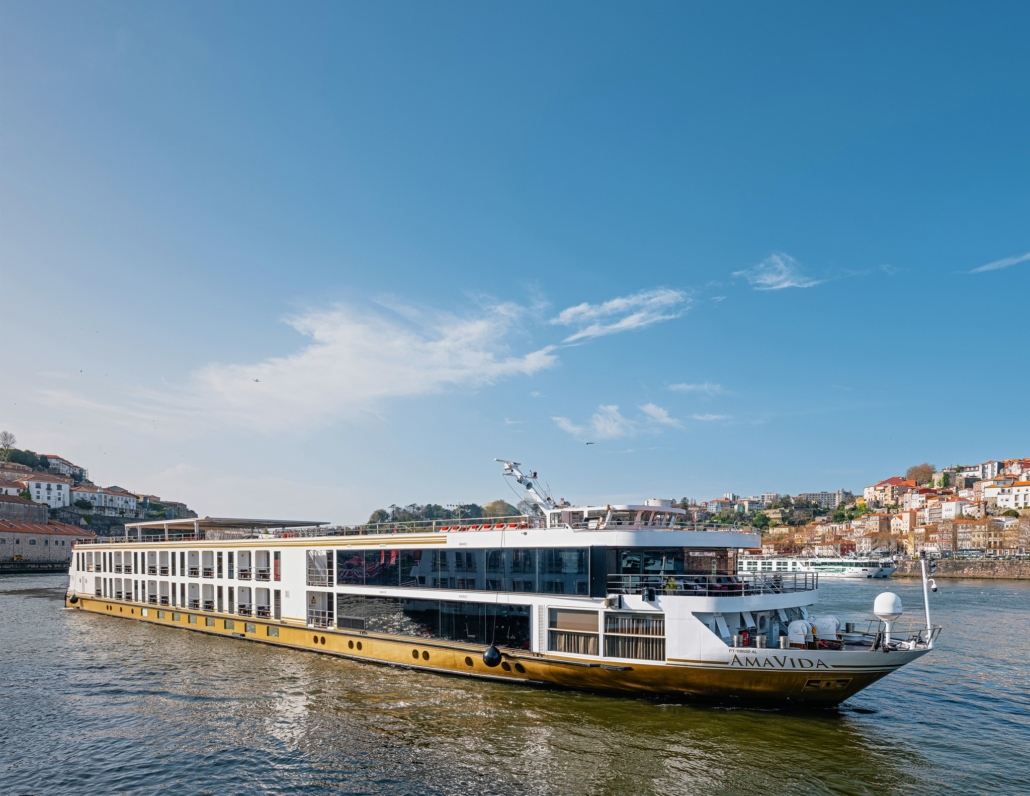
When I say tiny, I mean it. I’ve walked the decks of everything from AmaWaterways to Uniworld ships, and most carry 100-190 passengers. Compare that to ocean cruise ships that can hold 3,000-6,000+ people, and you’ll understand why the experience feels completely different.

You’ll recognize everyone by day three. The crew will know your name and your drink order. There’s no casino, no water slides, no Broadway shows. And honestly? That’s exactly why my clients who’ve done both tell me they prefer the river.

What this means for you: If you’re someone who gets overwhelmed by crowds or loves the idea of a more intimate, boutique experience, this is your jam. If you want entertainment options and anonymity, stick with ocean cruising.

2. You Unpack Once, But You’re Moving Every Single Night

This is the magic of river cruising. You sleep while the ship glides to the next town. You wake up somewhere new, step off the ship, and you’re literally in the heart of a European village or city. No packing and unpacking between hotels. No train stations or rental cars.

But here’s what catches people off guard: because you’re moving through locks and under low bridges at night, you might hear some noise. The engines, the lock mechanisms, announcements from the crew. When I sailed the Rhine, I slept right through it. But if you’re a super light sleeper, I always recommend requesting a cabin on a higher deck away from the engine—the cruise lines know exactly which cabins those are.

3. The Cabins Are Cozy (Translation: Small)

European rivers have depth restrictions, so these ships are built long and narrow. That means cabins are compact—often 150-200 square feet. I’ve stayed in everything from standard cabins to suites, and here’s what I tell my clients: you’ll have a comfortable bed, a bathroom with a shower, and storage that’s clever but limited.

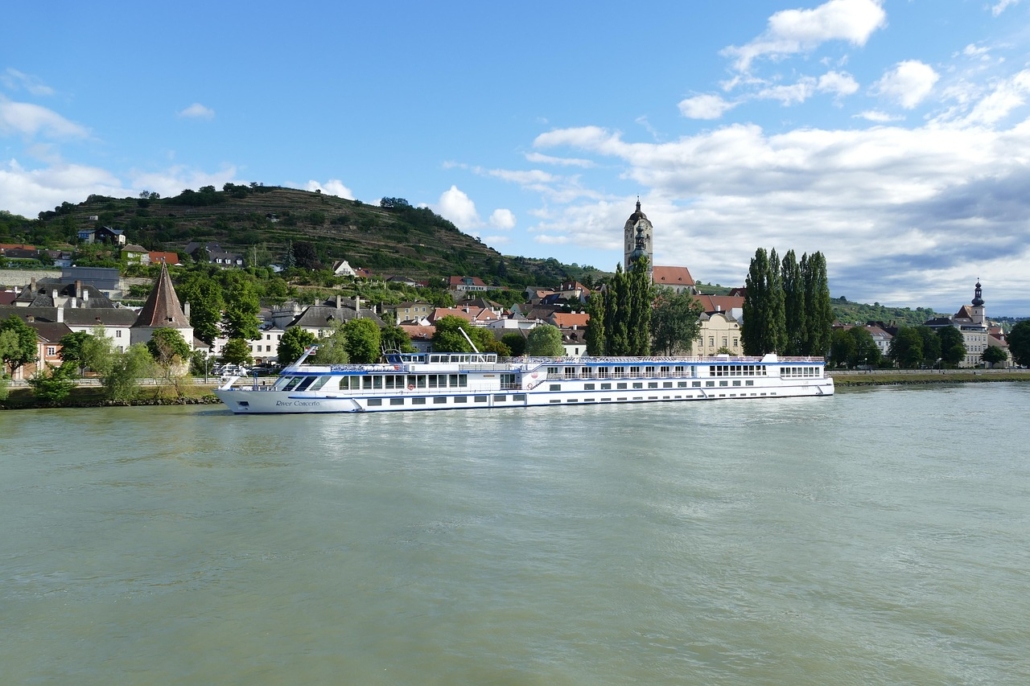
French balcony cabins are popular (floor-to-ceiling glass doors that open for fresh air but no step-out space), while some ships offer small outside balconies. I loved having a French balcony on my Danube cruise—there’s something incredible about opening those doors at sunrise while you’re cruising past Dürnstein.

Pro tip: Pack smart and light. Think Europe in a carry-on vibes. You don’t need five outfit changes per day—most passengers embrace a relaxed, casual-elegant atmosphere.

4. Nearly Everything Is Included (Yes, Really)

This is where river cruising shines and where the sticker price starts to make sense. I work directly with these cruise lines, and I can tell you exactly what’s included because it varies slightly by line—but it’s generally far more comprehensive than ocean cruising.

Most river cruises include:

  • All meals (including excellent wine and beer with lunch and dinner)
  • Daily shore excursions with local guides
  • Wi-Fi
  • Gratuities (on most lines)
  • Sometimes even airport transfers

You’re not pulling out your wallet every time you want a glass of wine or hop off the ship for a tour. The freedom of that? Priceless.

What’s usually NOT included: Premium spirits, spa services, some specialty excursions, and shopping (obviously). But here’s the insider knowledge: I know which lines include what, and I can match you with the one that fits your preferences and budget.

5. The Excursions Aren’t Optional—They’re the Entire Point

Every day, you’ll dock in a new town or city. I’ve taken these excursions myself, and they’re not the massive bus tours with 50 people you might picture. Groups are smaller, guides are knowledgeable locals, and you’re often exploring on foot through cobblestone streets, medieval squares, and local markets.

During my training with AmaWaterways, I learned about their extensive active options—biking tours along the Danube, hiking in the Wachau Valley. Uniworld offers incredible culinary experiences and wine tastings. Each line has its strengths, and knowing those differences is how I match clients with the right cruise.

The reality check: You’ll be walking. A lot. Often on uneven surfaces. I’ve walked the hills of Prague, the cobblestones of Nuremberg, and the narrow streets of French villages. If mobility is a concern for you or someone in your group, I know exactly which itineraries work best and which cruise lines offer the most accessible options—plus I can arrange private tours when needed.

6. Water Levels Can Make or Break Your Itinerary

This is the one thing that stresses people out, but it shouldn’t if you understand it going in. And because I work directly with the cruise lines, I get real-time updates about water level situations and how they’re handling them.

European rivers rise and fall with rainfall and snowmelt. If water levels get too high, the ship can’t fit under bridges. If they get too low, the ship can’t navigate certain stretches. When this happens, cruise lines have backup plans—sometimes you’ll take a bus to the next port, or they might swap in a different ship.

When it happens most: Low water is more common in late summer and early fall. High water tends to happen in spring (June especially) during snowmelt season.

Here’s what the cruise lines have taught me: They’ve been navigating these rivers for decades. They have contingency plans, alternative routes, and backup ships positioned strategically. You’ll still see the destinations—it just might not be exactly as planned. And honestly? Sometimes the alternative experiences end up being just as memorable.

7. Dressing Is Casual (Seriously, Leave the Gowns at Home)

I’ve attended the captain’s dinners, the welcome receptions, and every meal in between. There’s no formal night. No tuxedos. No sequined gowns.

River cruising leans toward “relaxed elegance.” Think nice jeans or slacks with a blouse or button-down for dinner. Maybe a sundress. A blazer if you want to dress it up. Comfortable walking shoes are essential for daytime excursions—I learned that the hard way on my first river cruise.

Some passengers dress up a bit for the captain’s dinner, but we’re talking cocktail attire at most—not black-tie.

8. You’ll Eat Better Than You Expected

I’ve dined on river cruise ships across multiple lines, and I can tell you: the food is shockingly good. We’re talking fresh, regional ingredients, often sourced from the areas you’re cruising through. Menus change to reflect local cuisine as you move through different countries.

On my Rhine cruise, we had authentic German schnitzel in Germany, French pastries in Strasbourg, Dutch cheeses in Amsterdam. The executive chefs on these ships take pride in showcasing regional flavors.

Breakfast and lunch are usually open seating with buffet and made-to-order options. Dinner is typically a multi-course affair with excellent wine pairings included.

Dietary restrictions? I’ve worked with the cruise lines on everything from gluten-free to kosher requirements. They handle these exceptionally well—just let me know in advance so I can coordinate directly with the ship.

9. The Demographic Skews Older (But That’s Changing)

Here’s what might surprise you: river cruising isn’t just for retirees anymore.

Sure, five or ten years ago, the average river cruise passenger was 60+. But what I’m seeing now—both on the ships I’ve sailed and in the bookings I’m making for clients—is dramatically different. River cruising is attracting travelers in their 40s and 50s, active couples looking for cultural immersion without the chaos of a mega-ship, and even families with kids.

The cruise lines have noticed this shift too. They’re responding with ships that feel more contemporary, itineraries that include active excursions (think biking through vineyards and hiking castle trails), and some lines are genuinely welcoming families onboard.

AmaWaterways, for instance, has entire programs designed for families. Their ships have connecting staterooms, and during school holiday periods, they offer family departures with kid-friendly activities and shore excursions. I’ve booked multigenerational families who want to experience Christmas markets together—grandparents, parents, and grandkids all sailing the Danube.

Uniworld skews slightly younger with their boutique, design-forward ships. Their “Generations” family cruises are specifically designed for families traveling together, with activities for different age groups.

Even Viking, traditionally known for an older demographic, is seeing younger travelers who appreciate the no-kids policy for a sophisticated, quiet experience.

If you’re worried about being the youngest person on the ship: Talk to me about which lines and which specific sailings attract the demographic you’re hoping for. Certain itineraries—like active and adventure-themed cruises, wellness sailings, or holiday departures—naturally draw a younger, more diverse crowd. I know which ones they are because I’m booking them and hearing directly from the cruise lines about who’s sailing.

River cruising isn’t your grandparents’ vacation anymore. Though honestly? Your grandparents probably have great taste.

10. Europe Is the Main Stage (But Not the Only One)

When most people think river cruising, they think Europe—the Danube, Rhine, Seine, Douro. And yes, that’s where I’ve spent most of my time on the rivers, and for good reason. The infrastructure, the history, the scenery… it’s unmatched.

But through my relationships with cruise lines like AmaWaterways, Uniworld, and Viking, I also book:

  • Southeast Asia (Mekong River through Vietnam and Cambodia)
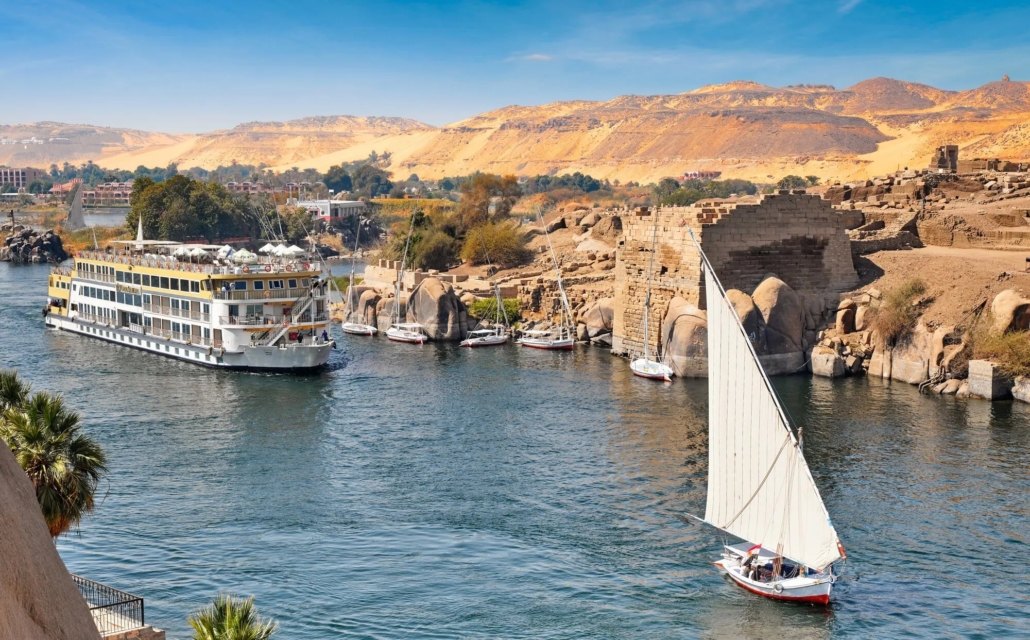
  • Egypt (The Nile—iconic and bucket-list worthy)
  • Africa (Chobe River for wildlife)
  • South America (Amazon River)
  • United States (Mississippi, Columbia, Snake Rivers)

Each destination offers a completely different flavor of river cruising. If European villages aren’t calling your name, I know the other incredible options inside and out.

11. Booking Early Matters More Than You Think

River cruise ships are small, remember? That means limited cabin inventory. I watch popular itineraries sell out 9-12 months in advance—Christmas markets, tulip season in Holland, Danube during fall foliage.

Plus, because I work directly with the cruise lines, I have access to early booking promotions and wave season deals that can save you hundreds to thousands of dollars per person. Sometimes I even get access to amenities or upgrades that aren’t publicly advertised.

The sweet spot: Book 9-12 months out for the best selection and pricing. Last-minute deals exist, but you’re at the mercy of whatever’s left—and honestly, I see those far less frequently in river cruising than in ocean cruising.

12. You Don’t Have to Figure This Out Alone

Here’s the truth: river cruising has a lot of moving pieces. Which river? Which cruise line? What time of year? Which cabin category? Pre- or post-cruise extensions?

You could spend hours researching online, comparing itineraries, reading reviews, and second-guessing yourself. Or you could work with someone who has direct relationships with these cruise lines, who’s attended their training programs, who’s sailed these rivers, and who knows exactly which questions to ask to match you with the perfect cruise.

I’ve been working with river cruise lines since 2019. I get on the phone with their BDMs (business development managers). I attend their FAM trips and virtual training sessions. I know the differences between a standard cabin on Viking versus AmaWaterways versus Uniworld—not because I read it online, but because I’ve been in those cabins.

There’s something special about helping someone experience Europe from the water for the first time—or finding that hidden gem itinerary that’s perfect for a seasoned traveler looking for something new.

So, Is River Cruising Right for You?

If you love the idea of waking up in a new European town every day without the hassle of packing and unpacking…

If you prefer smaller ships where you’re a person, not a number…

If you want to sip wine while medieval castles drift by your window…

If you’re looking for a travel experience that’s more cultural immersion and less “entertainment cruise”…

Then yes. River cruising might just be your perfect vacation.

Ready to Explore Your Options?

I’d love to help you plan your first river cruise (or your next one). Whether you’re dreaming of Christmas markets on the Danube, vineyards along the Rhine, or something completely different, let’s chat about what would make your trip unforgettable.

Want to start planning on your own timeline? Download my free River Cruising Planning Guide—it’s packed with everything you need to know about choosing the right river, the best time to go, what to pack, and questions to ask before you book. Plus, when you download it, you’ll join my email list where I share insider tips, exclusive cruise deals, and the kind of practical advice that only comes from actually being on these ships.

Contact me today to start planning your river cruise adventure. I’ll tap into my relationships with the cruise lines to find you the perfect sailing, the best cabin, and often, perks you won’t find booking on your own.

Here’s something most people don’t realize until it’s too late: the size of your Alaska cruise ship doesn’t just affect how many people are onboard—it fundamentally changes what you’ll see, how you’ll experience it, and whether you’ll come home with those jaw-dropping moments you’re dreaming about.

I’ve been helping travelers navigate this decision for years now, and I can’t tell you how many times someone has said, “I wish I’d understood this before I booked.” So let’s talk about what the brochures don’t tell you.

Why Ship Size Actually Matters in Alaska (Unlike Anywhere Else)

You know how cruise ship size doesn’t make a huge difference in the Caribbean? Alaska is the complete opposite.

The dramatic landscapes, narrow fjords, wildlife encounters, and glacial waterways were made for intimate exploration—not 3,000-passenger floating resorts. Don’t get me wrong, large ships have their place, but the experience gap between small and large in Alaska is massive.

Here’s the real difference: access.

Small ships (under 250 passengers) can navigate places that large ships simply cannot reach. We’re talking about pristine fjords where humpback whales feed undisturbed, remote glacier faces without another vessel in sight, and tiny ports that feel like you’ve discovered Alaska’s best-kept secrets.

What You Actually Experience on a Large Ship (1,500+ Passengers)

Let’s start with the big ships because they’re what most people picture when they think “cruise.”

The Reality:

The Crowds: When your ship pulls into Juneau or Ketchikan, you’re disembarking with 2,000-4,000 other people (often multiple large ships dock simultaneously). The quaint downtown shops? Packed. That salmon bake everyone recommended? There’s a line. Shore excursions feel like organized tours rather than exploration.

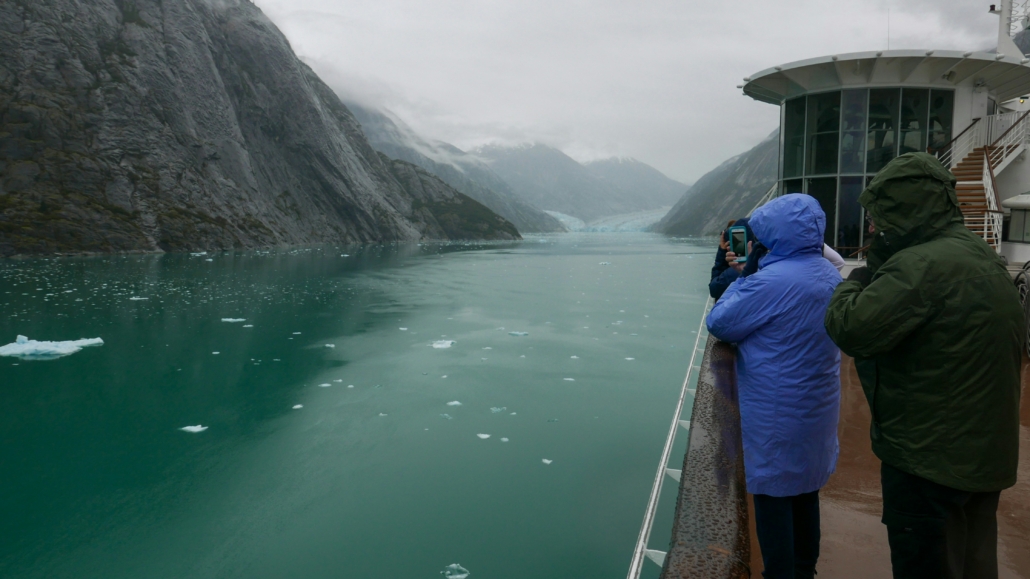
The Viewing Experience: Picture this: you’re in Tracy Arm Fjord approaching Sawyer Glacier. It’s spectacular. You’re also sharing the outer decks with hundreds of other passengers, jockeying for position at the rail. Got kids? Good luck keeping them in one spot for photos. Feeling spontaneous about running to the other side when someone spots a whale? You’ll be navigating a crowd.

The Ports: Large ships stick to the “big three” ports—Juneau, Ketchikan, and Skagway—because they’re the only ones that can handle the vessel size and passenger volume. You’ll see Alaska’s greatest hits, but so will everyone else.

What Large Ships Do Well:

I’m not here to trash large ships—they have real advantages:

  • Amenities galore: Multiple restaurants, pools, shows, kids’ clubs, spas, and entertainment
  • Stability: Less motion in rough seas (matters if you’re prone to seasickness)
  • Pricing: Often more budget-friendly, with frequent deals and promotions
  • Family appeal: The Busy Parents and Multi-Gen families love the activities and childcare options
  • Predictability: You know what you’re getting with major cruise lines

Bottom line: Large ships work beautifully if you want a cruise vacation that happens to be in Alaska—where the ship itself is part of the destination and Alaska is the stunning backdrop.

What You Actually Experience on a Small Ship (Under 250 Passengers)

Now let’s talk about what changes when you scale down.

The Reality:

Exclusive Access: Small ships navigate narrow waterways that large vessels can’t touch. You’ll cruise through Misty Fjords, get up close to tidewater glaciers in secluded bays, and visit remote Native communities where tourism hasn’t become industrialized. These aren’t “alternative” experiences—they’re often the best experiences.

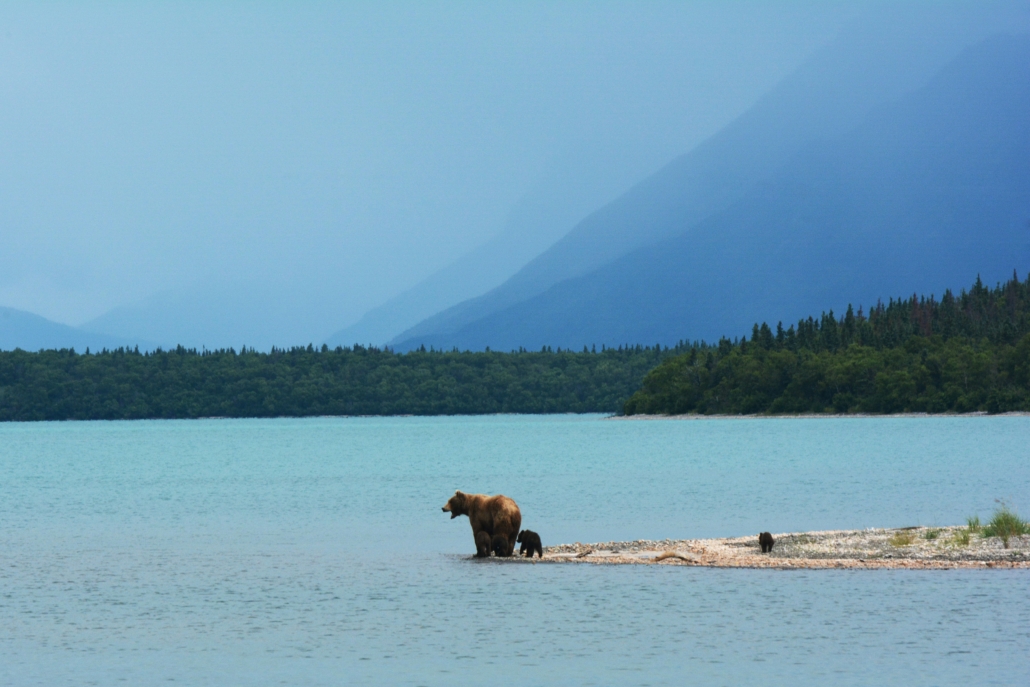
Wildlife Encounters: When a naturalist spots a pod of orcas, the captain can reposition the ship for optimal viewing. With 100 passengers instead of 2,000, everyone gets a front-row seat. I’ve had clients tell me about watching brown bears fish for salmon from so close they could see their breath in the cold air—with maybe 30 other people total sharing the moment.

The Intimacy Factor: You’ll know your fellow passengers by name within two days. The crew remembers your coffee order. There’s no fighting for deck space or rushing to dinner reservations. It feels less like a cruise and more like an expedition with like-minded travelers.

Expertise Onboard: Small expedition ships typically carry naturalists, marine biologists, and local historians who give presentations and join you on deck. You’re not just seeing Alaska—you’re understanding it.

The Trade-offs:

Here’s what you give up:

  • Limited amenities: One dining room (though the food is often exceptional). No Broadway shows or casinos.
  • Higher price point: Small ship cruising is premium, often significantly more expensive per day
  • More motion: Smaller vessels feel the waves more (though stabilizers help)
  • Less choice: Fewer departure dates and itineraries to choose from

Bottom line: Small ships deliver an Alaska adventure that happens to be on a ship—where the destination is everything and the vessel is your comfortable base camp for exploration.

The Honest Comparison: What Actually Matters

Let me break down the key decision factors:

Experience Factor

Large Ship

Small Ship

Glacier Viewing

Spectacular, but shared with crowds

Intimate, often closer access, fewer people

Wildlife Encounters

From a distance, scheduled viewing times

Up close, flexible positioning, expert narration

Port Access

Major ports only (crowded)

Major + remote ports (authentic)

Onboard Vibe

Resort vacation, entertainment-focused

Expedition atmosphere, education-focused

Time in Nature

Scenic sailing with port-heavy itinerary

Maximum time in wilderness areas

Who You’ll Meet

All ages, varied interests

Typically older, adventure-minded travelers

Personalization

You’re a passenger number

You’re a known guest

So Which Should You Actually Choose?

Here’s the truth nobody wants to say: there’s no universally “better” option—only what’s better for you.

Choose a Large Ship If:

  • You want classic cruise amenities (shows, multiple dining options, pools)
  • You’re traveling with kids or a multi-generational family
  • Budget is a primary concern
  • You prefer the energy of a bustling ship
  • Alaska is one highlight among many vacation elements you value
  • You get seasick easily

Choose a Small Ship If:

  • Alaska’s wilderness is your primary draw
  • You want access to places large ships can’t reach
  • You value intimate wildlife encounters over entertainment
  • You prefer smaller crowds and personalized service
  • You’re comfortable with a higher price point for exclusive experiences
  • You want educational enrichment from onboard experts

The Question Nobody Asks (But Should)

Here’s what I always ask my clients: What’s the ONE experience you’d be devastated to miss in Alaska?

If it’s seeing glaciers calve into the sea with whales breaching nearby in complete wilderness silence—that’s small ship territory.

If it’s enjoying Alaska’s scenery while your kids are happily occupied in the kids’ club and you’re relaxing by the pool with a cocktail—that’s where large ships excel.

Neither answer is wrong. But knowing your answer makes the choice crystal clear.

Ready to Find Your Perfect Alaska Cruise?

Here’s the thing: Alaska cruise planning goes way beyond ship size. There’s timing (shoulder season vs. peak summer), itinerary routing (Inside Passage vs. Gulf of Alaska), pre- and post-cruise options (Denali, anyone?), and excursion selections that can make or break your trip.

That’s where I come in.

Want my insider Alaska cruise planning guide? Subscribe to my newsletter and I’ll send you my free guide with everything you need to know—including the questions to ask before booking, the excursions actually worth your money, and the timing tips that could save you thousands.

Or let’s just talk. I’ve been booking Alaska cruises since 2019, and I can match you to the exact ship, itinerary, and experience that fits your travel style and budget. No pressure, no sales pitch—just honest guidance from someone who genuinely loves helping people discover Alaska the right way.

Because here’s what I know for certain: Alaska is the trip of a lifetime. And lifetime trips deserve to be done right.

So you’ve decided to take the plunge and book your first cruise—exciting! I’ve been helping travelers navigate the world of cruising for many years, and I can tell you that first-timers often feel a mix of anticipation and a “wait, what do I actually need to know?” Don’t worry—I’ve got you covered.

Cruising is one of my favorite ways to travel (and to plan for my clients), but it does come with its own quirks. Let’s walk through what you really need to know to make your first sailing smooth, stress-free, and absolutely worth it.

Start With the Right Cruise

Here’s the thing: not all cruises are the same, and picking the wrong one can leave you feeling like you’re on someone else’s vacation. Before you get dazzled by that sunset deck photo, think about what kind of experience you actually want.

Are you traveling with kids who need constant entertainment? A family-focused cruise line with water parks and kids’ clubs might be your best bet. Want adults-only pool time and a quieter vibe? Look for ships that cater to couples or have dedicated adult-only areas. Into adventure? Some itineraries are packed with active shore excursions, while others focus more on relaxation at sea.

And if you’re not sure you’re a “cruise person” yet, start with a shorter sailing—three to five days is perfect for dipping your toes in without committing to a week at sea. You can always book a longer trip once you’ve got your sea legs.

Know What You’re Actually Paying For

One of the biggest surprises for first-time cruisers? Figuring out what’s included and what’s going to hit your credit card as an extra charge. And here’s where the type of cruise you choose makes a huge difference.

If you’re sailing on a mass-market cruise line—think the big ships with water slides and Broadway shows—your cruise fare typically covers your stateroom, meals in the main dining room and buffet, most onboard entertainment, and access to pools and fitness areas. But specialty restaurants, alcohol, sodas, Wi-Fi, spa services, shore excursions, and even gratuities? Those usually cost extra.

Before you sail, take a look at what packages your cruise line offers. Beverage packages can be worth it if you enjoy cocktails by the pool, and specialty dining packages might save you money if you want to try those upscale restaurants a few times. I always tell my clients to budget for extras—because once you’re on board and someone’s offering you a piña colada, you’re probably going to say yes.

Now, river cruises and expedition cruises work differently. Yes, they typically cost more upfront, but that higher price usually includes things like beverages (including alcohol), Wi-Fi, excursions in every port, and sometimes even gratuities. It’s a more all-inclusive experience, which means fewer surprise charges and less mental math while you’re trying to relax.

The key is understanding what kind of cruise experience you want—and what’s actually included—before you book. That way, you can budget accordingly and enjoy your trip without any sticker shock.

Pack Smarter, Not Harder

Packing for a cruise is a little different than packing for a resort, and it’s easy to overthink it. Here’s my advice: check your cruise line’s dress code ahead of time. Most days will be casual—think shorts, sundresses, and swimsuits—but evenings can vary from “nice casual” to full-on formal nights with tuxedos and gowns.

Pack at least one dressier outfit for formal night (yes, most cruises still have them), and bring layers if your itinerary includes ports with cooler weather. Don’t forget sunscreen, seasickness remedies if you’re prone to motion sickness, and any prescription medications—you don’t want to be hunting down a pharmacy in a foreign port.

Pro tip: bring a small carry-on with your essentials for the first day. Your luggage won’t arrive at your cabin right away, so having a swimsuit, change of clothes, and any must-haves with you means you can start enjoying the ship immediately.

Arrive Early—Seriously

I can’t stress this enough: get to your departure city the day before your cruise leaves, especially if you’re flying in. Flight delays happen, and cruise ships don’t wait for late arrivals. Building in that buffer day means you can relax, explore the port city, and show up to the terminal ready to vacation—not frantically running through an airport.

On embarkation day, aim to arrive during your assigned boarding window (or even a little early). The earlier you board, the more time you’ll have to explore the ship, grab lunch, and maybe even hit the pool before it gets crowded.

Make sure you have your documents ready—passport or birth certificate and ID, your boarding pass, and any required health forms. Keep them easily accessible because you’ll need them multiple times during check-in.

Get Your Bearings on Board

Once you step on the ship, it’s easy to feel a little overwhelmed—these things are massive. Take some time on your first day to walk around and get oriented. Find the dining rooms, the pool deck, the theater, and the spots you’ll want to visit regularly.

Here’s something that catches a lot of first-timers off guard: embarkation day is going to feel crowded. Everyone’s exploring, claiming pool chairs, wandering the decks, and trying to figure out where everything is. It can feel a bit chaotic. But here’s the good news—by the next morning, everything thins out. People settle into their routines, find their favorite spots, and suddenly the ship feels way more spacious and relaxed.

Most cruise lines have an app you can download before you sail, and trust me, it’s a game-changer. You can check daily schedules, make dining reservations, see what activities are happening, and even message your travel companions if you get separated. I always tell my clients to download it and set up your favorites early—it’ll save you so much time and help you navigate that first day with way less stress.

Make Shore Excursions Work for You

One of the best parts of cruising is waking up in a new destination without having to pack and unpack your suitcase. But here’s where first-timers sometimes miss the mark: they either over-plan or don’t plan at all.

If there’s a specific excursion you’re excited about—say, a sunset catamaran sail or a guided food tour—book it in advance. Popular tours sell out quickly. That said, you don’t have to book through the cruise line for everything. Independent tours can be less expensive and more personalized, though you’ll want to make sure you’re back to the ship on time (because again, they won’t wait).
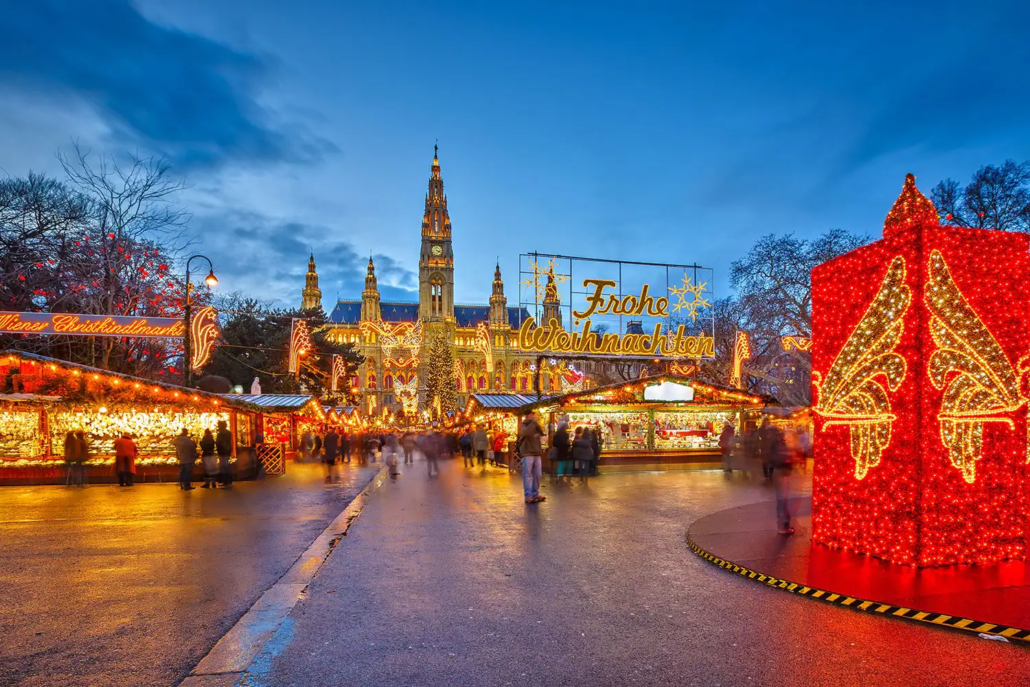

And if you just want to explore on your own? That’s totally fine too. Some ports are perfect for wandering, grabbing lunch at a local spot, and soaking up the culture without a set itinerary.

Embrace Sea Days

If you’re used to jam-packed vacation schedules, sea days might feel strange at first. No ports to explore, just… the ship. But here’s the secret: sea days are fantastic.

This is when you can actually enjoy everything the ship has to offer without rushing. Try that cooking class, get a massage, lounge by the pool with a book, or catch the afternoon trivia game. Check the daily schedule (delivered to your cabin or on the app) and try something new. Some of my clients say sea days end up being their favorite part of the trip because they finally feel like they can just be.

Know How to Get Off the Ship (Yes, Really)

Disembarkation might not be the most glamorous part of cruising, but knowing what to expect makes it way easier. Most cruise lines give you two options: carry your own luggage off early in the morning (great if you have a flight to catch), or leave your bags outside your cabin the night before and wait for your assigned departure time.

If you’re flying home, give yourself plenty of cushion between disembarkation and your flight. Customs, luggage claim, and transportation can take longer than you think, especially on bigger ships with thousands of passengers.

Ready to Set Sail?

Your first cruise can be an incredible experience—one that might just turn you into a repeat cruiser (I’ve seen it happen more times than I can count). With a little preparation and the right mindset, you’ll be ready to enjoy every moment, from that first sail-away party to your final sunrise at sea.

If you’re thinking about booking your first cruise and want help choosing the right ship, itinerary, or cabin, I’d love to chat. I’ve been doing this for years, and I genuinely love matching people with their perfect cruise experience—whether that’s a river cruise through Europe, a family-friendly mega-ship, or an adults-only escape to the Caribbean.

And if you’re cruise-curious and want insider tips, destination guides, and exclusive deals delivered straight to your inbox, sign up for my cruise email list. I share everything from wave season savings to which cabins are actually worth the upgrade—the kind of intel that makes the difference between a good cruise and an unforgettable one.

Ready to start planning? Contact me today and let’s make your first cruise everything you’ve been dreaming of.

The first flakes of snow drift lazily past your riverview window as you sip steaming Rüdesheimer coffee, watching the spires of Vienna’s Schönbrunn Palace emerge through the winter mist. Outside, a giant sparkling tree dominates the palace courtyard, its thousands of lights reflected in your eyes. This isn’t a scene from a storybook. This is your December.

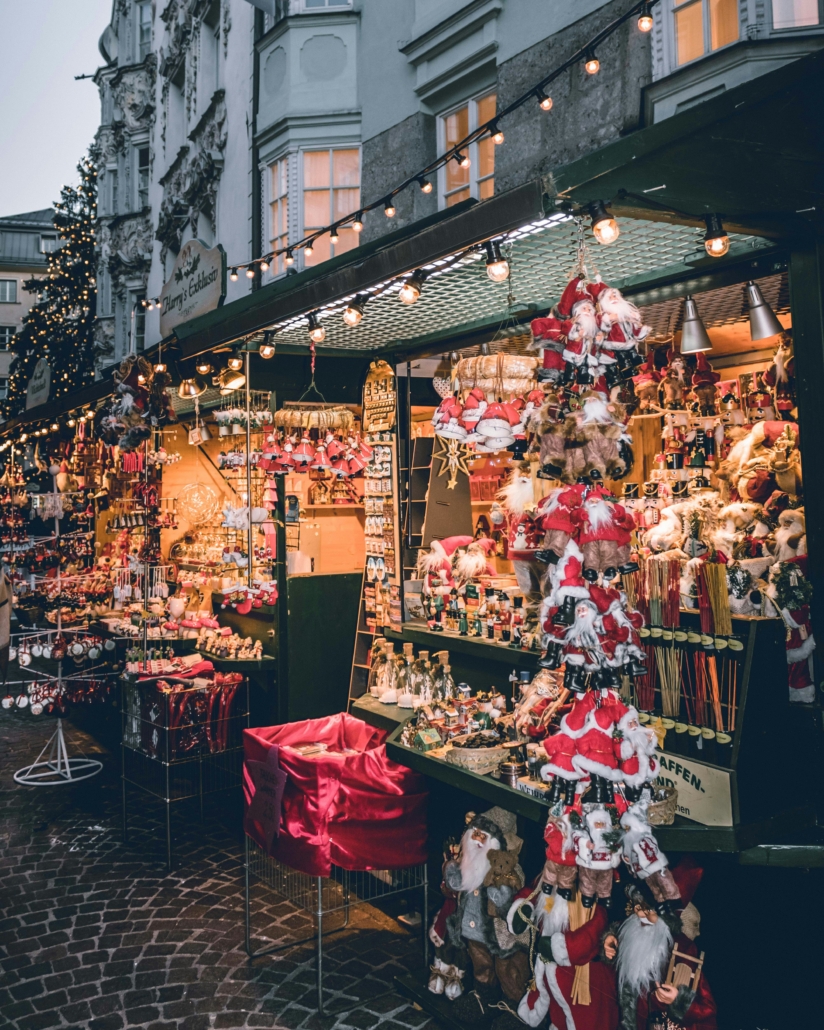
The moment you’ve been waiting for has arrived. Europe’s Christmas Markets transform centuries-old cities into living fairytales, and there’s only one way to experience them all without the exhaustion of endless hotel check-ins, the chaos of crowded airports, or the disappointment of rushed itineraries. Your floating boutique hotel glides silently from one illuminated wonderland to the next while you sleep, waking each morning to a new masterpiece of holiday tradition.

Why Christmas Markets River Cruises Sell Out First

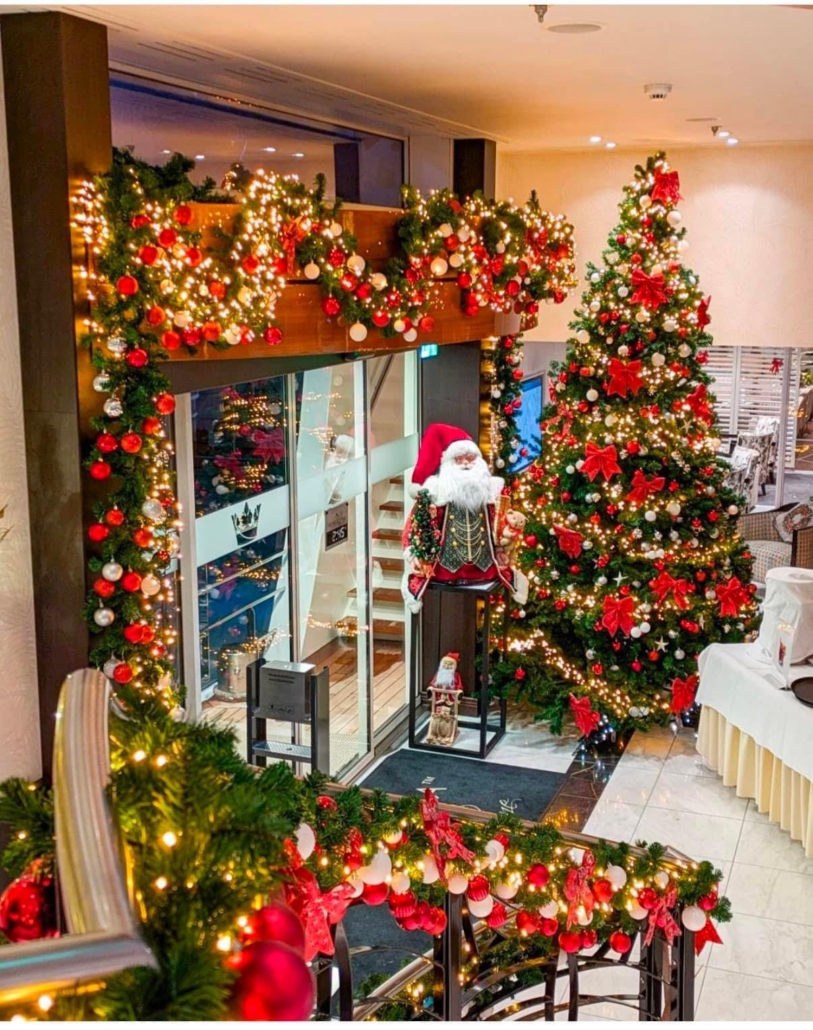
December departures disappear faster than any other season—and for good reason. While other travelers fight crowds and weather delays, you’re wrapped in a cashmere blanket on the Sun Deck, the scent of mulled wine mingling with pine and cinnamon from the markets below. Your ship becomes the most elegantly decorated vessel on the river, adorned with festive garlands and twinkling lights that mirror the cities you’re about to explore.

The secret? You experience Europe’s most magical season without a single compromise. Elegant holiday feasts with all the traditional trimmings. Nostalgic Christmas traditions brought to life aboard your ship. And every morning, a new Christmas Market awaits—each one distinct, each one extraordinary.

Seven Nights, Seven Centuries of Tradition

Budapest to Nuremberg: The Iconic Route

Stand beneath Vienna’s Schönbrunn Palace as its giant tree casts a golden glow across the snow-dusted gardens. The air carries the unmistakable aroma of roasted chestnuts and lebkuchen—that spiced gingerbread Nuremberg has perfected over 600 years. At Regensburg’s Thurn and Taxis Palace, Bavaria’s most romantic Christmas Market unfolds like a scene from a royal ball, with centuries-old handicrafts glittering under baroque chandeliers.

Budapest to Vilshofen: The Connoisseur’s Journey

Watch as more than 700 illuminated trees transform Salzburg’s Hellbrunn Palace into a winter cathedral of light. Savor the crisp elegance of Wachau Valley Grüner Veltliner and Riesling wines—because Christmas Markets aren’t just about gingerbread and glühwein. Witness the majesty of Melk’s Benedictine Abbey rising above the Danube, its golden baroque façade commanding reverence even from the most seasoned travelers. Then bite into Vienna’s legendary apple strudel, still warm from centuries-old ovens, and understand why some traditions endure.

Amsterdam to Basel: The Rhine’s Holiday Splendor

Gaze upward at Strasbourg’s soaring cathedral, its gothic spires framing one of Europe’s most celebrated Christmas Markets below. In the village of Rüdesheim, order the coffee that bears its name—a theatrical blend of Asbach brandy, coffee, and flame that locals have perfected into ritual. And in Gengenbach, witness something truly unique: the town hall transforms into an enormous Advent calendar, with a new illuminated window revealed each December evening, drawing gasps from crowds who’ve traveled continents to see this artistic marvel.

The 14-Night Grand Danube: For Those Who Refuse to Choose

Why limit yourself to seven nights when you can have it all? The Grand Danube Christmas cruise sweeps you through Germany, Austria, Slovakia, and Hungary, immersing you in the unique Christmas traditions and Winter Markets of the Lower Danube. Fourteen nights means double the markets, double the memories, and double the certainty that you’ve experienced the holiday season as it was meant to be celebrated—surrounded by history, wrapped in luxury, and moving effortlessly through time.

The Smart Traveler’s Secret: Taste of Christmas Markets

Here’s what the savvy set knows: Select European cities illuminate their Christmas Markets as early as mid-November, offering all the magic with fewer crowds, better airfare, and premium cabin availability. These “Taste of Christmas Markets” sailings along the Danube and Rhine Rivers give you the enchantment of the season before the December rush—and on select departures, you’ll even celebrate Thanksgiving aboard with a sumptuous feast before exploring the first Christmas Markets of the season.

Think about what that means: The same handcrafted ornaments, the same mulled wine recipes passed down through generations, the same snow-dusted medieval squares—but with breathing room to actually enjoy them. No jostling through shoulder-to-shoulder crowds. No sold-out stalls. Just you and the pure magic of Advent.

Aboard: Where the Holiday Spirit Becomes Home

While other cruise lines hang a few wreaths and call it festive, your ship transforms into a floating Christmas wonderland. Every detail has been considered. Every tradition honored. The most elegantly decorated vessel on the river becomes your sanctuary between markets—a place where holiday cheer isn’t performed, it’s lived.

Imagine returning from an afternoon exploring Vienna’s Christmas Markets, your bags filled with hand-carved wooden ornaments and spiced cookies, to find your Cruise Manager has arranged hot chocolate and pastries in the lounge. The crew doesn’t just serve you—they celebrate with you, sharing their own family traditions and regional holiday customs that transform casual conversations into cherished memories.


The Clock Is Ticking

December departures are already filling. The finest suites—those with full balconies where you can watch the Christmas Markets glitter against snowy riverbanks—are being reserved by travelers who learned last year what it means to wait too long.

This isn’t about missing a vacation. It’s about missing the vacation—the one your family will recount at every future holiday gathering, the one that redefines what Christmas can feel like, the one that turns December from a stressful sprint into seven to fourteen nights of pure, unadulterated magic.

Your floating palace awaits. Seven hundred illuminated trees shimmer in the distance. Nuremberg’s lebkuchen is cooling on centuries-old racks. The giant tree at Schönbrunn Palace is already casting its golden glow across fresh snow.

The only question: Will you be there to see it?

Book your European Christmas Markets river cruise now. Some traditions can’t wait another year.

Let me be straight with you: not all all-inclusives are created equal.

After years of booking resorts across the Caribbean, I’ve seen clients return from “all-inclusive” vacations feeling nickel-and-dimed—surprise charges for decent wine, restaurant reservations they couldn’t snag, water sports that cost extra. Sound familiar?

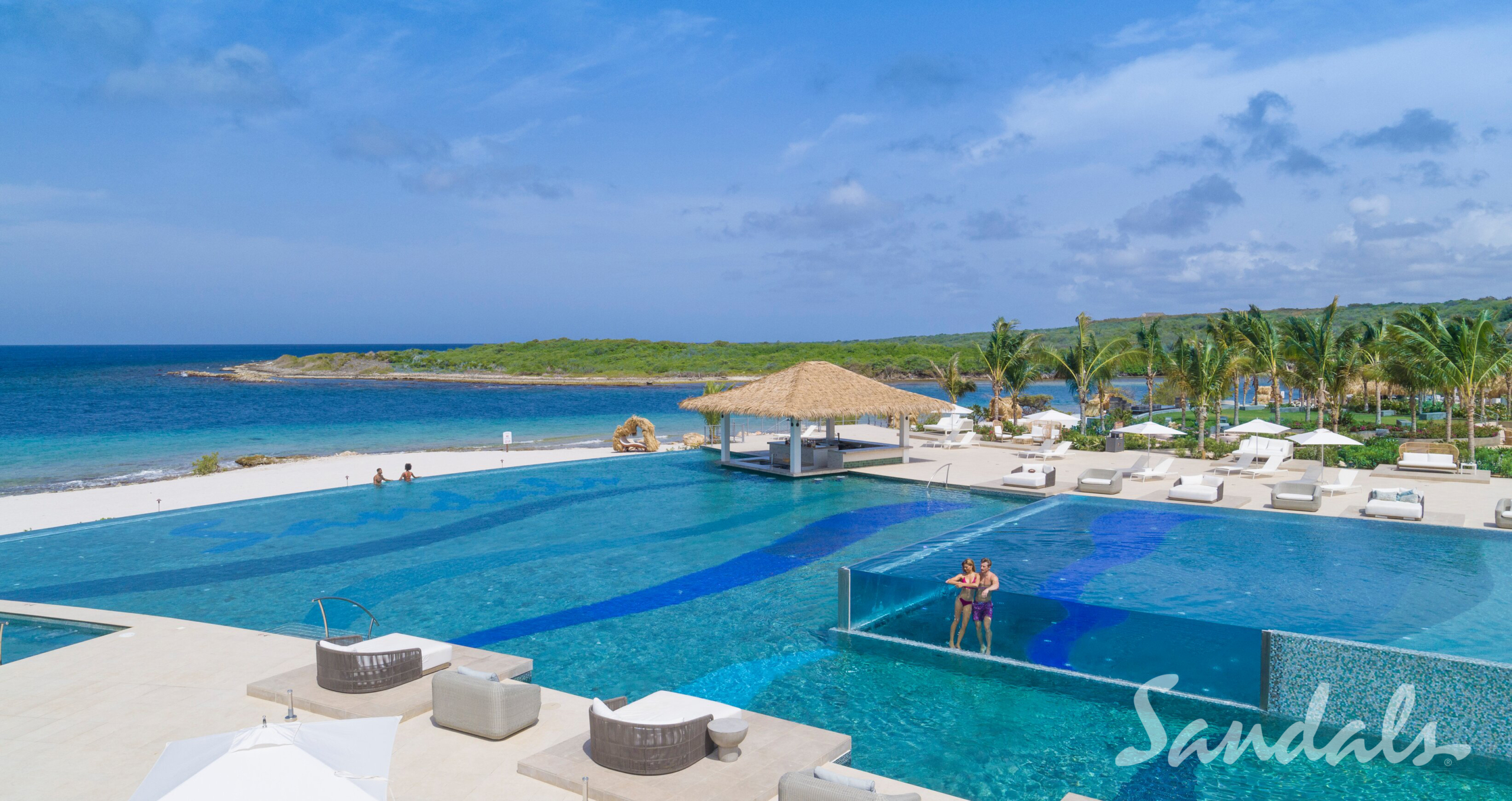
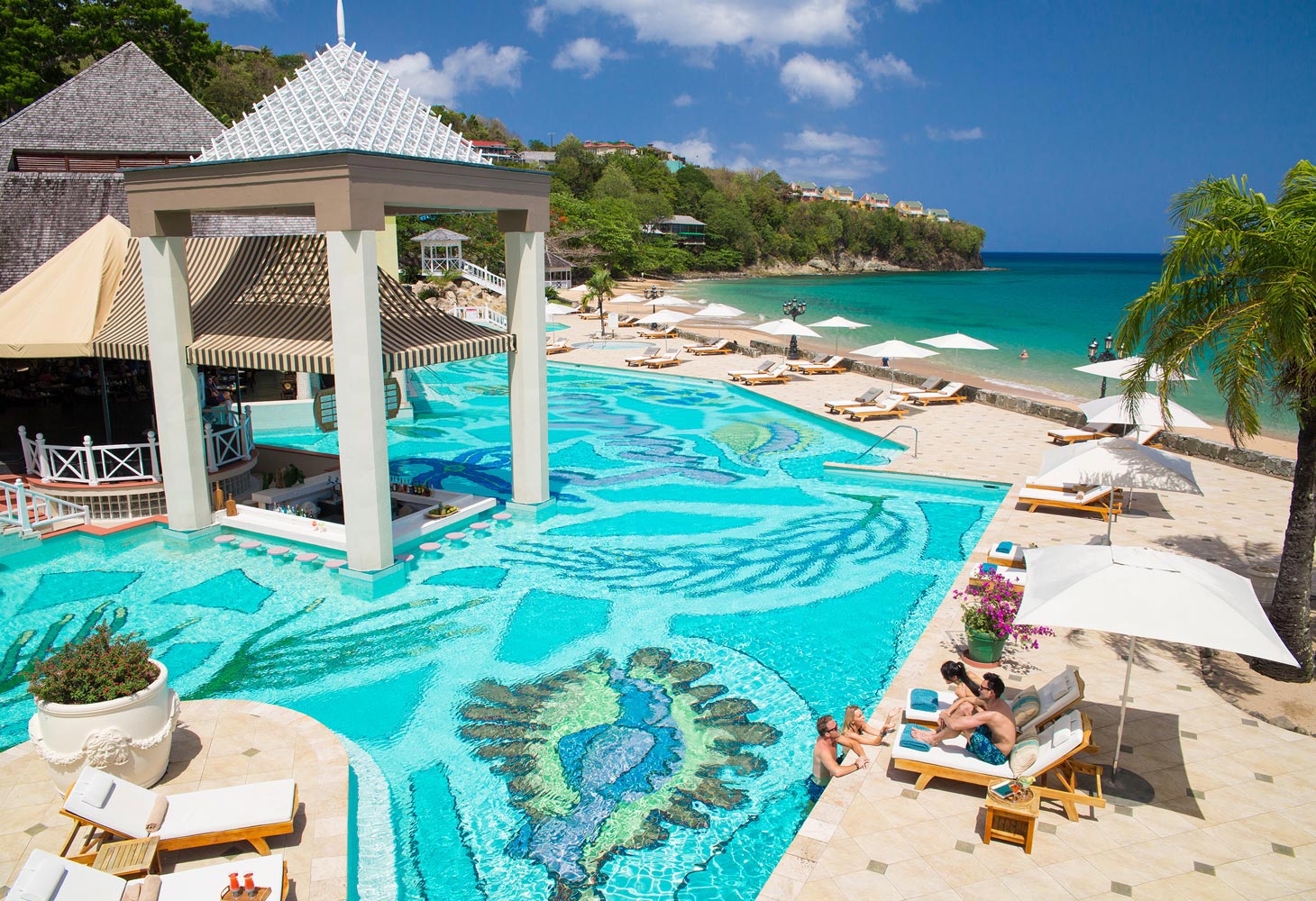
That’s exactly why I’m passionate about Sandals and Beaches Resorts. They’ve fundamentally reimagined what all-inclusive means, and once you understand the difference, you’ll never look at a standard resort package the same way.

The All-Inclusive Promise—Actually Delivered

Here’s what most resorts call “all-inclusive”: basic buffet meals, watered-down cocktails made with bottom-shelf liquor, and a list of “included” activities that’s shorter than your packing list.

Sandals and Beaches? They’ve turned that model on its head.

Airport transfers? Included—no scrambling for a taxi or haggling over rates when you land.

Dining? We’re talking double-digit restaurant options featuring 5-star global cuisine. French, Italian, Caribbean, Asian fusion—take your pick. No reservations required for most venues, no upcharges for the good stuff. And if you have dietary restrictions? They’ll work with you, not against you.

Drinks? Premium spirits and wines flow freely. We’re talking top-shelf, not the cheap brands most resorts hide in their “all-inclusive” packages.

Water sports? Kayaking, paddleboarding, snorkeling, Hobie Cats—all included. Even scuba diving for certified divers (up to two dives daily). Do you know how rare that is?

Golf? Select locations offer complimentary rounds. No greens fees sneaking onto your bill.

And here’s my favorite part: no tipping required. Everything—service, gratuities, taxes—is already included. You can actually relax without constantly reaching for your wallet or doing mental math about appropriate tip percentages.

Two Brands, Two Completely Different Vibes

This is where Sandals and Beaches really distinguish themselves—not just from other resorts, but from each other.

Sandals: Where Romance Gets Serious

Sandals Resorts are exclusively for couples. No kids. No bachelor parties. Just adults seeking romance, luxury, and peace.

Every single room features a king-sized bed—because this is about the two of you. Whether you’re celebrating your honeymoon, anniversary, or simply want to reconnect away from daily life’s chaos, the entire atmosphere is designed for intimacy.

Picture overwater bungalows with glass floor panels revealing turquoise waters below. Butler service that anticipates your needs before you voice them. Piano bars and sophisticated nightlife. Tranquil spa experiences built for couples.

Everything whispers (never shouts): This time is yours.

Beaches: Where Families Actually Vacation Together

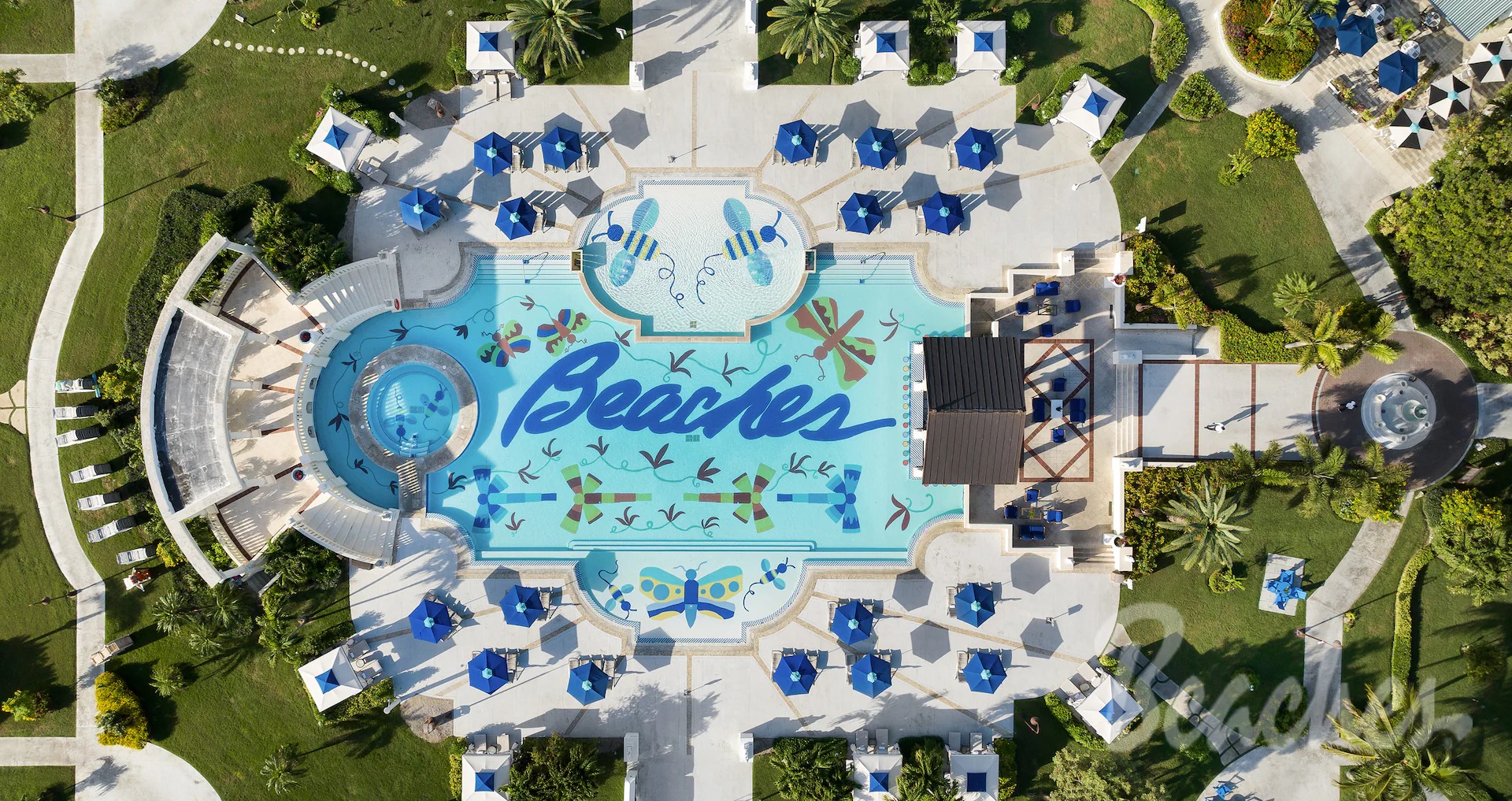
Now, if you’re traveling with kids—or better yet, planning that ambitious multigenerational trip with grandparents, teenagers, and toddlers all in tow—Beaches Resorts is your answer.

These properties understand that “family-friendly” shouldn’t mean “parents survive while kids have fun.” Everyone should thrive.

The accommodations alone tell the story: Multi-bedroom villas sleeping up to 11 people. Not cramped hotel rooms where you’re all on top of each other, but actual space where teenagers can have their zone and parents can tuck the little ones in before enjoying adult time.

The activities? Stratified for every age and energy level:

  • Water parks that’ll exhaust even your most hyperactive eight-year-old
  • Sesame Street character experiences for the preschool set
  • Teen lounges and nightclubs where older kids can hang (safely and supervised)
  • Kids’ camps with trained counselors, giving parents guilt-free time for that couples’ massage
  • Family-friendly dining venues alongside more sophisticated options for when grandparents are watching the kids

This isn’t about containing children while adults suffer through. It’s about creating magical memories across three generations—together and separately, exactly when each matters most.

The Devil’s in the Delicious Details

Let me give you a side-by-side so you can see exactly what I mean:

Feature

Sandals Resorts

Beaches Resorts

Who It’s For

Couples only (adults 18+)

Families, groups, all ages

Room Setup

King beds, romantic suites, overwater bungalows

Multi-bedroom villas, family suites (up to 11 guests)

The Vibe

Romance, tranquility, sophistication

Energetic, multigenerational fun

Special Touches

Butler service, adults-only pools, intimate dining

Water parks, kids’ clubs, Sesame Street, teen spaces

Evening Scene

Piano bars, nightlife, couple-focused entertainment

Family shows, character dinners, varied entertainment by age

Both brands share the same exceptional all-inclusive foundation—premium dining, top-shelf liquor, water sports, scuba diving, no tipping. But the experience you’re crafting is entirely different.

Beyond the Brochure: What This Actually Means for Your Trip

I’ve sent couples to Sandals who returned glowing about finally disconnecting from work and reconnecting with each other. No phone calls from the office. No kid-centric schedules. Just the two of them, excellent food, and the kind of relaxation that actually restores you.

I’ve also booked multi-generational family reunions at Beaches where grandma and grandpa could relax poolside with a book while parents hit the gym, teenagers learned to scuba dive, and the seven-year-old made best friends with Cookie Monster. Everyone got their perfect vacation—simultaneously.

That’s the real differentiator: These resorts understand that luxury isn’t just thread count and square footage. It’s getting exactly the experience you need, without compromise or frustration.

The Bigger Picture

One more thing worth mentioning: Both Sandals and Beaches are deeply invested in the communities where they operate. Through the Sandals Foundation, they fund education initiatives, environmental projects, and social programs throughout the Caribbean.

Your vacation actually contributes to something bigger. That’s increasingly rare—and increasingly valuable to conscious travelers.

So What Does This Mean for You?

If you’re reading this and thinking, “This sounds exactly like what we need,” then let’s talk.

Because here’s what I know after years in this business: The difference between a good vacation and an extraordinary one often comes down to choosing the right fit—not just a beautiful property, but one that aligns with exactly what you need right now.

Celebrating an anniversary and craving uninterrupted romance? We should be looking at Sandals.

Planning that big family reunion where everyone from age 3 to 73 needs to be happy? Beaches is calling your name.

The best part? You don’t have to become a resort expert or spend hours comparing properties and packages. That’s literally what I do—and I love it.

Want to take advantage of Sandals resort discounts and receive new promos each week? Sign up here to get exclusive deals delivered straight to your inbox.

Ready to start planning your escape? Reach out to me directly, and let’s design something extraordinary together. I’ll help you navigate the properties, choose the perfect location, and ensure every detail aligns with your vision—and your budget.

I recently returned from an unforgettable trip to Thailand with EVA Air and the Tourism Authority of Thailand. We spent two incredible days in Chiang Mai, and I’m here to tell you: don’t sleep on this gem of Northern Thailand.

While Bangkok gets the spotlight and the southern beaches steal the Instagram feeds, Chiang Mai quietly delivers something truly extraordinary – an authentic blend of ancient spirituality, natural wonder, and cultural immersion that will leave you fundamentally changed.

Let me share why my recent Chiang Mai experience changed me in ways I could have never imagined.

Day One

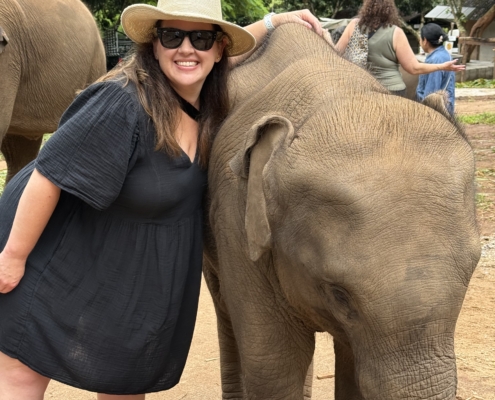
Our first full day took us to Patara Elephant Farm, and within minutes, I understood why this isn’t your typical tourist attraction. This is education and conservation wrapped in pure magic.

Here, you’re not just observing these magnificent creatures from behind barriers. You’re becoming part of their daily routine. You’ll conduct health inspections, prepare their meals, and walk alongside them as they exercise through lush forests and splash in natural water sources. Watching elephant families interact in their natural environment isn’t just Instagram-worthy – it’s soul-stirring.

What sets Patara apart is its commitment to elephant welfare and visitor education. You’ll leave with a deep understanding of these gentle giants and their conservation needs, plus memories that will last a lifetime.

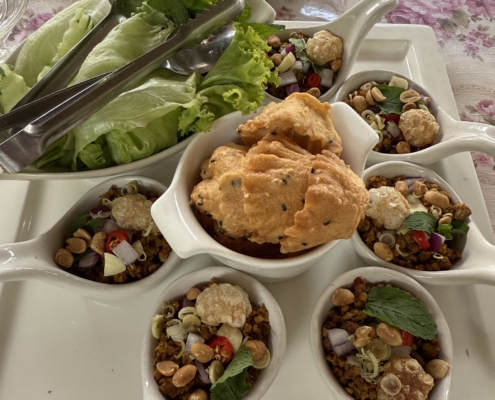
The day continued with lunch at Royal Rose Garden’s Thung Roeng Royal Project – and what a lunch it was! Established in 1978 under HM King Bhumibol’s initiative, this development center works with local hill-tribe farmers to develop sustainable agricultural practices while preserving their cultural identity. The result? Some of the most incredible farm-to-table dining you’ll ever experience.

The noodles were perfection – silky, flavorful, and clearly made from the freshest ingredients. But the real star was their avocado and corn salad, a vibrant dish that showcased the center’s own homegrown avocados (one of their specialty crops alongside ginger, persimmon, and roses). Every bite was a testament to what happens when royal precision meets sustainable farming – fresh, local ingredients prepared with incredible care and attention to detail.

To cap off this incredible day, we headed to Oasis Spa for the 2-hour King of Oasis treatment. This was definitely an experience!

This isn’t just a massage – it’s a complete energy reset using ancient Northern Thai techniques. The treatment begins with traditional acupressure to reopen blocked energy pathways that cause fatigue and weariness. Then comes the magic: Thai herbal hot compresses that literally dissolve soreness from your muscles as they release trapped energy throughout your body. The grand finale is an aromatherapy hot oil massage where powerful herbal essential oils fuse with expert massage techniques to transport you to an entirely new level of relaxation.

I walked in travel-weary and emerged feeling like I could conquer mountains. The combination of these time-honored Northern Thai healing methods creates something truly transformative – your body will thank you for days afterward.

This day was truly magical.

Day Two

Day two delivered what became the most beautiful experience of my entire Thailand journey, and it started before sunrise.

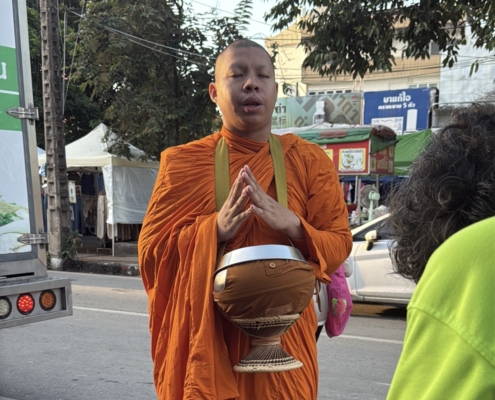
We began at a local market where we prepared offerings for the morning alms ceremony with Buddhist monks. In Buddhist tradition, offering food to monks during their morning alms round is considered one of the most merit-making acts a person can perform. This daily ritual represents the interdependence between the monastic community and lay people – the monks provide spiritual guidance while the community provides sustenance. There’s something profoundly moving about participating in this ancient practice – the quiet reverence, the connection to centuries-old tradition, the simple act of giving that asks nothing in return.

Then we explored the markets full of fresh eggs, meats and vegetables. Even a few silk worms, frogs and fried crickets – a fascinating glimpse into local culinary traditions that adventurous foodies will appreciate.

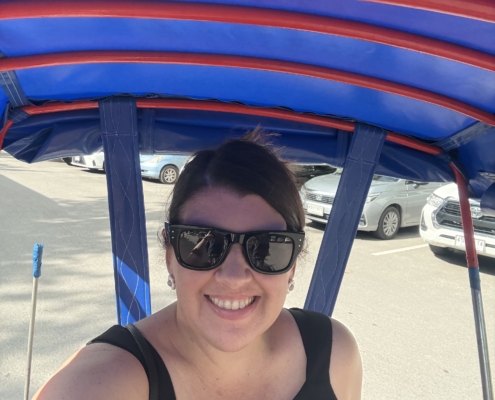
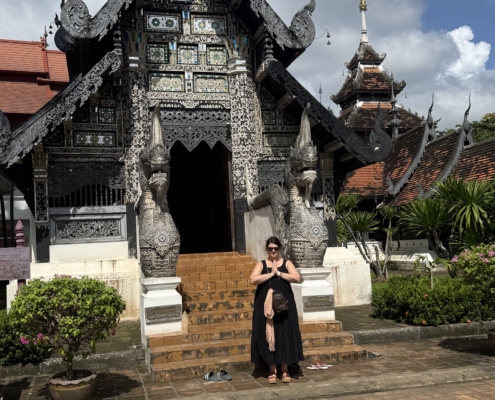
From there, cycle rickshaws transported us through Chiang Mai’s charming streets to Wat Chedi Luang, home to an impressive 14th-century chedi that once housed the legendary Emerald Buddha.

But here’s what no guidebook can prepare you for: receiving a personal blessing from a Buddhist monk within these ancient walls. The gentle chanting, the sprinkled holy water, the moment of pure peace – it’s impossible to describe adequately, but it’s the kind of experience that stays with you long after you’ve returned home. When I’m writing about it now, I still get chills.

We capped off this extraordinary day by wandering through Chiang Mai’s famous night markets. As the sun set, the streets came alive with a kaleidoscope of colors, sounds, and aromas. Vendors displayed everything from handcrafted textiles and intricate wood carvings to sizzling street food that fills the air with mouthwatering scents. The energy is infectious – locals and travelers alike browsing for treasures, sampling local delicacies, and soaking in the vibrant atmosphere that makes Chiang Mai’s night markets legendary. It was the perfect way to end a day filled with spiritual moments and cultural immersion.

Why Chiang Mai Deserves Your Attention

After traveling to countless cities around the world, I can tell you that Chiang Mai offers something increasingly rare: authentic cultural immersion without sacrificing comfort or safety.

Whether you’re an Adventure Seeker craving off-the-beaten-path experiences, a Picture-Perfect Traveler hunting for those share-worthy moments, or a Multi-Generational Family needing activities that engage every age group, Chiang Mai delivers.

The city’s unique blend of ancient temples, lush landscapes, and vibrant street markets creates the perfect backdrop for any traveler. Adventure enthusiasts will love the elephant interactions and mountain treks. Luxury seekers will appreciate the world-class spas and boutique accommodations. The temples and local traditions will enchant culture lovers.

Your Chiang Mai Journey Awaits

My packed two-day itinerary only scratched the surface of what Chiang Mai offers. The night bazaars, cooking classes, temple hopping, mountain villages, and artisan workshops could easily fill a week or more.

The question isn’t whether you should visit Chiang Mai – it’s when you’re ready to experience Thailand’s most captivating destination.

Ready to discover the magic of Chiang Mai for yourself? I’d love to help you craft your perfect Northern Thailand adventure. From elephant sanctuaries to spiritual experiences, luxury spas to authentic cultural encounters, let’s design an itinerary that creates the memories you’ll treasure forever.

Contact me today to start planning your Chiang Mai journey. Trust me – this is one destination that will exceed every expectation and leave you planning your return before you’ve even left.

The mouse has spoken, and these new Disney Cruise Line itineraries are absolutely spectacular! As your trusted Disney cruise specialist, I’m beyond excited to share what’s coming your way.

Mark Your Calendars: Early booking opens August 25th for Castaway Club members, with general bookings starting September 2nd. Don’t wait—these sailings will disappear faster than Mickey’s magic!

The Crown Jewels: Wish Class Ships

  • Disney Wish: Your beloved 3-4 night Bahamas getaways from Port Canaveral, featuring stops at both Castaway Cay and the stunning new Lookout Cay
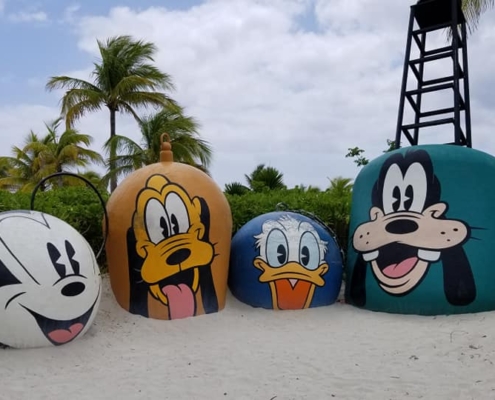
  • Disney Treasure: Signature 7-night Caribbean adventures with exclusive Castaway Cay access
  • Disney Destiny: The exciting newcomer sailing from Fort Lauderdale with flexible 3-7 night options hitting both private islands

Dream Big with Dream Class The Disney Dream offers something extraordinary—a Christmas week sailing (Dec 21-27) with two Castaway Cay stops plus Lookout Cay. Pure holiday magic! Meanwhile, the Disney Fantasy delivers those coveted double-island experiences throughout the season.

West Coast Adventures Our classic Magic and Wonder ships are conquering the Pacific with Mexico itineraries from San Diego, plus the Magic’s epic 14-night Panama Canal crossing—a bucket-list experience for any serious cruiser.

💰 The Early Bird Gets the Best Cruise (And Saves Serious Money!)

Here’s the insider secret every smart Disney cruiser knows: booking early isn’t just smart—it’s essential. Disney’s dynamic pricing means every day you wait, prices climb higher as staterooms disappear.

Your Early Booking Advantages:

  • Prime real estate: Snag those coveted mid-ship staterooms with perfect locations
  • Just 10% down locks in your dream cruise—then use Disney’s flexible payment plans to spread the cost
  • Future promotions still apply: Book now, save later when Disney releases special offers
  • Peace of mind: Disney’s generous change and cancellation policies let you adjust plans worry-free

The brutal truth? There are zero benefits to waiting. Prices only go up, prime staterooms vanish, and you’ll kick yourself watching your dream cabin slip away.

Ready to Experience Disney Magic at Sea?

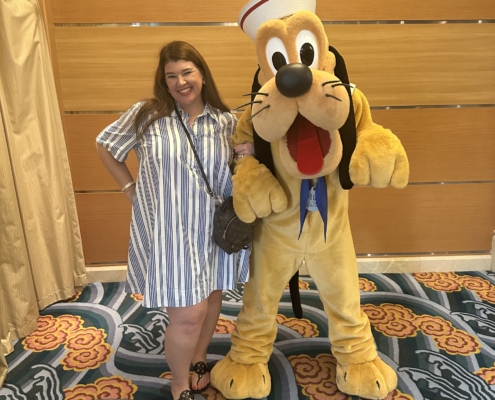
Disney park fans are often surprised by how quickly they fall in love with Disney Cruise Line — from Broadway-style shows to rotational dining and Cast Member service that feels like home.

Don’t book a Disney Cruise without this.
Join my Disney Cruise Insider List for sail dates, exclusive deals, and pixie-dust planning tips that make your cruise even more magical.

📩 Reach out to me to book your Disney Cruise, and I’ll help you choose the perfect ship, sailing, and stateroom — at no extra cost to you.

Hawaii is one of the most common bucket list destinations for many people, and it sees millions of visitors every year. Planning a vacation to Hawaii is also no easy task, and first-time visitors can make plenty of mistakes without the help of someone who knows the islands.

We’ll go over 10 mistakes first-time visitors to Hawaii make and some tips on how to avoid them.

1. Assuming All of the Islands Are the Same

One of the biggest mistakes first-time visitors to Hawaii make is making this assumption. Eight major islands make up Hawaii, but only six of the islands are where the tourists go. These islands are: Oahu, Kauai, Molokai, Lanai, Maui, and the island of Hawaii (also known as the Big Island). Choosing the right island for you will be determined by the vibe and experiences you want to have during your trip.

You can easily have a different experience on each island, so it’s best to do your research or have a professional help you find the right fit. From popular spots like Pearl Harbor and Waikiki on Oahu to seeing an active volcano on the Big Island, the islands are as unique as their names. My comprehensive Hawaii Guide breaks down each island’s personality, the best times to visit, and the top attractions you won’t want to miss – it’s the perfect starting point for choosing your ideal Hawaiian destination.

2. Failing to Rent a Car

The islands may seem small, but renting a car will be the best thing you’ve ever done. Everything is just a bit farther out than comfortable traveling car-free. Public transportation and Ubers are only reliable on Oahu, so you could get away with it there, but it’s not convenient.

There are tons of places in the world where you don’t need a car, but Hawaii is not one of them. To explore any of the islands of Hawaii fully, you’re going to need a car to get around to all of the wonderful places you’ll want to see.

3. Spending the Majority of Your Time at Your Resort

The resorts in Hawaii are great, and most of them have incredible amenities, but there’s so much more to the islands than what’s curated and cultivated within the grounds of your resort. Most people don’t realize that by law, all of the beaches in Hawaii are public, so you are not limited to accessing the beach in front of your hotel.

The best parts of Hawaii are away from the resorts. With the beautiful biology, unique and intricate ecosystems, and stunning Instagram-perfect scenery, don’t be afraid to get out and see what the island has to offer. Hawaii is a safe place to explore, so don’t be scared to experience the island by sharing in the daily life of the local people.

4. Booking Too Many Tours and Activities for Your Trip

Even if you’re in paradise, there are still only 24 hours in a day. Keep that in mind when planning your trip. Between guided tours, sightseeing excursions, hiking to waterfalls, and staring into the glow of a volcano, you’re still going to need some downtime as well as time to eat and sleep.

Try to keep a balance so you can explore, rest, and take in the magic of the islands. The whole point of most vacations is to slow down from the daily hustle and bustle of life. Take some time to wander the local towns, eat authentic foods, chill at the beach, and get to know your temporary neighbors.

Hawaii is a place with slow-paced, intentional living, and this vacation is your opportunity to live and learn with intention. When you stuff too much new information into each day, you can quickly become overwhelmed and forget why you took the trip in the first place.

5. Not Understanding “Island Time”

When you see a car with a “slow down, this ain’t the mainland” bumper sticker, take notice. Island time is referred to as a slower pace of life in the islands. This doesn’t mean everyone is moving like sloths, but it does mean that it’s part of their way of life, so be sure to respect that. Life moves a bit slower in Hawaii than most people are used to. Sit back, relax, follow speed limit signs, and take time to slow down.

The Island aura is all about reflection, being better humans, and spreading aloha. You’re in their home now, respect their timelines, and exercise some grace and patience. The furthest thing from a New York minute is an island afternoon.

6. Not Using Adequate Sun Protection

Just about every tourist to Hawaii has made this crucial mistake. I can’t stress enough how important it is to use and regularly apply sunscreen. Yes, we know you want to hit the beach as soon as you arrive, but you don’t want to start day one with a painful sunburn and have to stay in the shade for the rest of your trip.

Even if you typically do fine in the sun, the UV index in Hawaii hovers higher than on the mainland so be sure to protect yourself. If your skin tends to burn quickly, avoid being in the sun between 10am-2pm. That’s when it’s the strongest in Hawaii.

Hawaii is also pretty strict when it comes to what kind of sunscreen to use, as many were banned in 2021. That is why it’s suggested that when you get to the island, buy reef-safe sunscreen at a local store. That way, there is no question you’re getting the right stuff.

7. Not Respecting Nature

Hawaii is home to some of the most beautiful plants and animals on our planet. These living things are part of a very complex living ecosystem that is delicately balanced. When people come along and disrupt that balance, it can have long-lasting and sometimes devastating effects on the island. Removing plants, rocks, shells, or touching and harassing animals from the islands can result in criminal charges, fines, and even jail time.

For 1.5 million people, Hawaii is their home. For everyone else, we’re guests in their backyard and should respect it as such. Which ties into the next topic…

8. Disregarding Warning Signs

If social media has taught me anything, it’s that people love going to illegal places or ignoring warning signs to get the ultimate Instagram shot. The warning signs are there for a reason. If there is a sign posted at the location you want to go to, don’t go. These signs are put up to keep you on the path to safety.

Here are some things to look out for and what to do:

🏖 Beach Safety

Hawaii beach safety is a big deal. Some beaches have lifeguards, but many of them do not. Swimming in Hawaii can be very dangerous, so if you see a warning sign or flag about the shore break or rip currents, it’s best to avoid going into the ocean at that time. These beach warnings are posted so that tourists and locals know when it’s not safe to be on the beach or in the water.

🌩 Storms and Hiking

After it rains, many hiking trails can get extremely muddy and slippery, creating dangerous conditions. Also, if the hike you want to go on is deep into the jungle, you can experience flash flooding, which could turn fatal. If it’s raining, it’s always best to avoid going on any hikes. Please wait until it clears and try hiking on a different day.

Also, if there’s a storm on the horizon, avoid dangerous places like cliff walls and hiking.

🔒 Private Property

There are also a lot of hikes and waterfalls that take place on private property. There are some that the owners don’t mind you accessing if you are respectful, but there are several where tourists don’t have permission to visit. If you’re caught, you’ll have to pay a fine, and you also risk your health and safety. If there’s a sign posted that tells you to keep out, do what it says.

🥾 Illegal Hikes

There are several illegal hikes in the islands, and there’s signage stating as such. One well-known one is the Stairway to Heaven on Oahu. There are no trespassing signs posted there because the stairs were damaged during a storm, and no one has fixed them, creating hazardous conditions. Guards often show up here, and if you are caught, you’ll have to pay a hefty fine. There are plenty of great hikes that are legal, so stick to those.

🌄 Sacred Land

Many areas around the islands are considered sacred and have significant historical and cultural meaning. Whether it be burial grounds, petroglyphs, or a Heiau (temple sites), be respectful and follow any signage. A common practice when visiting a sacred place in Hawaii is to leave a ho’okupu (a small offering), such as a lei, a fruit, nuts, or a plant.

It’s also bad luck to bring lava rock home because you’ll risk the wrath of Pele, the Hawaiian goddess of fire and volcanoes. Plus, we’ve all seen the Brady Bunch episode with the bad juju that followed them from taking a Tiki artifact they found.

Take photos and absorb the information, but be respectful and leave things be.

9. Only Packing Clothing for Warm Weather

The media depicts Hawaii as a perfect paradise 100% of the time, and while it’s somewhat true, Hawaii still has a rainy season and is often the victim of tropical storms. This is the tropics, so be sure to pack for a rainy day or two.

If you’ll be attending a luau, going out for a nice dinner, or playing golf, you’ll need some appropriate clothing options. Also, if you’re visiting Haleakala or exploring Hawaii Volcanoes National Park, you’ll want some layering options and even a jacket. Haleakala is very cold even during the day, and Volcanoes National Park gets chilly at night. The best advice is to make a list of all of the Hawaii activities on your itinerary, then pack accordingly.


10. Leaving Valuables in Your Car

One thing that people often forget is that there are thieves, no matter where you go, and Hawaii is no exception. Even though Hawaii is such a safe and friendly environment, it’s wise not to create an opportunity. Lock your car doors no matter where you are, and don’t leave valuables in plain sight in your car. I can’t stress this enough.

It would also be wise not to put things in your trunk after you park, because thieves could be watching. (Speaking from personal experience) Put your valuables in the trunk before you arrive at your destination, or use a smaller bag and carry it with you.

Are you ready?

Hawaii truly is paradise, but as you can see, there’s much more to planning the perfect island getaway than booking a flight and hotel. The difference between a good Hawaii vacation and an absolutely magical one often comes down to insider knowledge and careful planning.

After helping countless clients discover the real Hawaii since 2019, I’ve seen firsthand how these simple mistakes can turn dream vacations into missed opportunities. But I’ve also witnessed the pure joy on families’ faces when they experience the authentic aloha spirit, watch their first Hawaiian sunset from a secluded beach, or feel the mist from a waterfall they never would have found on their own.

Whether you’re dreaming of luxury resorts on Maui, adventure hiking on the Big Island, or family fun on Oahu, each Hawaiian island offers something completely different. The key is matching the right island – and the right experiences – to what makes your heart sing.

Don’t let these common pitfalls rob you of the Hawaiian vacation you’ve been dreaming about.

Ready to plan your perfect Hawaiian escape? I’d love to help you navigate the islands like a local and create memories that will last a lifetime. From insider tips on the best reef-safe sunscreen to secret beaches the guidebooks don’t mention, I’ll make sure you experience Hawaii the right way.

Contact me today to start planning your personalized Hawaiian adventure, and don’t forget to download my comprehensive Hawaii Guide packed with everything you need to know for an unforgettable island experience.

Your perfect Hawaiian story starts with a single conversation – let’s make it happen! 🌺

Picture this: You’re sitting in a cramped train compartment at 6 AM, your third connection of the day, watching your dream European vacation slip away one delayed departure at a time. Sound familiar?

After six years of crafting European itineraries for travelers just like you, I’ve learned that the difference between a magical multi-country adventure and a logistical nightmare often comes down to one crucial decision: which countries you pair together.

Gondolas floating along the Grand Canal in Venice, Italy, a popular stop on multi-country European trips

Why Your Country Choices Can Make or Break Your Trip

Here’s what most travelers don’t realize: Europe might look compact on a map, but not all destinations play well together. I’ve seen countless clients return from what should have been their dream vacation feeling exhausted, overwhelmed, and like they barely scratched the surface of any of the places they visited.

The culprit? Poor country pairings create unnecessary stress, sky-high transportation costs, and itineraries that feel more like a marathon than a vacation.

But when you get it right? That’s when the magic happens. When you choose countries that complement each other geographically, culturally, and logistically, you create space for those spontaneous moments—the afternoon spent people-watching in a Parisian café, the extra day exploring hidden gems in Amsterdam, the leisurely dinner that turns into the highlight of your trip.

Europe’s Travel Sweet Spot: Why It’s Perfect for Country-Hopping

Europe has cracked the code on multi-country travel. With the Eurail Pass connecting 33 countries and budget airlines like EasyJet and Ryanair offering flights for the cost of a nice dinner, moving between countries can be surprisingly seamless—if you know which ones to choose.

The key is understanding that Europe’s real superpower isn’t just its size; it’s the infrastructure that makes exploration effortless. High-speed trains whisk you between capitals in hours, shared currencies eliminate constant money exchanges, and the Schengen Agreement means you can cross most borders without even showing your passport.

The Golden Rules I Follow for Every Multi-Country Itinerary

After years of trial and error (and a few client rescue missions), I’ve developed a set of non-negotiables that I use for every European adventure:

Keep It Connected: I only pair countries that are genuinely easy to travel between. If getting from Point A to Point B requires more than one connection or takes longer than half a day, it’s not worth it. Your vacation time is too precious to waste in transit.

Match the Vibe: Trying to squeeze a high-energy Spanish fiesta and a peaceful Swiss alpine retreat into the same week? Recipe for culture shock. I look for countries that complement each other’s rhythm and energy levels.

Give Each Place Its Due: This might be controversial, but I believe you need at least three full days in each destination to experience it truly. Less than that, and you’re just checking boxes, not creating memories.

Mind the Money: While the Euro makes things easier across most of Europe, I always consider the cost-of-living differences. Pairing expensive Switzerland with budget-friendly Portugal might sound adventurous, but it can create sticker shock that derails your entire budget.

The Perfect Pairing: Why London and Paris Never Go Out of Style

Let me share my favorite example of country pairing done right. The London-Paris combination isn’t just popular because these are bucket-list cities (though they are). It works because the Eurostar train has turned what used to be a complicated journey into a 2.5-hour scenic ride through the countryside.

You can have afternoon tea in London and dinner in Paris on the same day. You can explore the British Museum in the morning and the Louvre in the evening. This isn’t just convenient—it’s transformative for how you experience both destinations.

The Eiffel Tower in Paris, France, a classic highlight on multi-country European vacations

More Winning Combinations That Create Unforgettable Journeys

The Culture Lover’s Dream: Italy + France Share a love for art, wine, and incredible food? These neighboring countries offer the perfect blend of Renaissance masterpieces, world-class vineyards, and culinary experiences that will ruin you for restaurants back home.

The Fairytale Route: Germany + Austria From Munich’s beer gardens to Salzburg’s musical heritage, this pairing offers storybook castles, alpine scenery, and some of Europe’s most charming Christmas markets.

The Iberian Explorer: Spain + Portugal Often overlooked, this combination gives you twice the sunshine, incredible coastlines, and two distinct cultures that share a peninsula but offer completely different experiences.

The Northern Gems: Netherlands + Belgium Perfect for first-time European travelers, these compact countries offer world-class museums, historic cities, and yes, some of the best beer and chocolate on the planet.

The Alpine Adventure: Italy + Switzerland Combine Italy’s passionate culture with Switzerland’s pristine landscapes for a journey that satisfies both your cultural curiosity and your Instagram feed.

Why This Matters More Than You Think

When you choose the correct country pairings, you’re not just planning a trip—you’re designing an experience. You’re creating room for spontaneity, reducing stress, and maximizing the joy of discovery. You’re also being smart with your investment because let’s be honest, European vacations aren’t cheap.

After six years of watching travelers transform their European dreams into reality, I can tell you that the most magical trips aren’t the ones that try to see everything. They’re the ones that see the right things, in the proper order, with enough time to truly savor each moment.

Ancient Greek ruins in Athens, Greece, a cultural highlight on multi-country European itineraries

Ready to Plan Your Perfect European Adventure?

The difference between a good European trip and an extraordinary one often comes down to the details—the connections only an experienced travel professional knows, the timing that turns a crowded tourist trap into a peaceful moment of wonder, and yes, the country pairings that make everything flow seamlessly.

I’d love to help you create your own unforgettable European adventure. Whether you’re dreaming of your first multi-country journey or you’re ready to explore Europe like a seasoned traveler, let’s chat about how to make it happen.

Contact me today, and let’s start planning the European adventure you’ve been dreaming about.

Picture this: You’re sipping champagne on your private balcony as crystal-clear waters stretch endlessly before you, each new port promising exclusive experiences that most travelers only dream about. This isn’t just another vacation—it’s your gateway to the Caribbean’s most coveted destinations, where luxury meets adventure in the most spectacular way possible.

After years of crafting bespoke Caribbean experiences for discerning travelers, I’ve witnessed firsthand how the right ports can transform a good cruise into an unforgettable journey. The Caribbean offers over 7,000 islands, but only a select few deliver the perfect blend of sophistication, exclusivity, and authentic local culture that luxury travelers deserve.

Why These 8 Ports Should Top Your Caribbean Wish List

1. Port Zante, Basseterre, St. Kitts — The Crown Jewel of Authentic Luxury

St. Kitts isn’t just another Caribbean stop—it’s where sophisticated travelers discover the Caribbean’s best-kept secret. Port Zante’s intimate setting means you’ll never feel like you’re part of a tourist parade. Here, “Sugar City” reveals its treasures through private rum distillery tours at the Caribbean’s oldest distillery, where master distillers share centuries-old techniques with just a handful of guests.

Insider’s tip: Skip the crowded beaches and head to South Friar’s Bay, where beach bars serve craft cocktails to a predominantly local crowd. For the ultimate adventure, I arrange private helicopter tours to Mount Liamuga volcano—an experience that transforms sightseeing into storytelling.

2. Oranjestad, Aruba — Where Perfect Weather Meets Flawless Service

Aruba’s secret isn’t just its 82-degree average temperature—it’s the island’s ability to deliver consistently exceptional experiences. With over 40 miles of pristine coastline, Aruba offers luxury travelers the rare combination of reliable weather and diverse activities.

My clients consistently rate Oranjestad among their top three Caribbean experiences, and here’s why: private beach clubs that rival any five-star resort, guided ATV adventures through Arikok National Park’s hidden natural pools, and snorkeling excursions to sites most visitors never discover.

3. Santo Domingo, Dominican Republic — Colonial Elegance Meets Modern Sophistication

As the oldest European settlement in the Americas, Santo Domingo offers something most Caribbean ports can’t: genuine historical gravitas. The UNESCO World Heritage colonial zone becomes your private playground when you know the right local guides.

I’ve arranged exclusive after-hours tours of the Alcázar de Colón and private dining experiences in restaurants housed within 500-year-old buildings. The Dominican Republic’s waters hide over 170 bird species and seven whale varieties—experiences best enjoyed through small-group eco-tours that I personally vet for quality and exclusivity.

4. Cozumel, Mexico — Ancient Mysteries and Modern Luxury

Yes, Cozumel welcomes millions of visitors annually, but here’s what most don’t know: over half the island remains untouched wilderness. The real magic happens at Palancar Reef, where private diving excursions reveal underwater worlds that rival any nature documentary.

My favorite Cozumel experience? Private archaeological tours of Mayan ruins followed by helicopter transfers to Chichén Itzá, avoiding the crowds entirely. End your day at exclusive beach clubs on Playa Palancar, where sunset cocktails come with uninterrupted ocean views.

5. St. Thomas, US Virgin Islands — Duty-Free Shopping Meets Caribbean Charm

St. Thomas transforms shopping into an art form. Charlotte Amalie’s duty-free district offers genuine savings on luxury goods, but the real treasures are found in local artisan galleries that most visitors overlook.

Beyond shopping, I arrange private yacht charters to secluded beaches, exclusive access to Coral World Ocean Park after closing hours, and sunset sailing to neighboring St. John’s pristine national park—experiences that showcase the Virgin Islands’ natural beauty without the typical tourist crowds.

6. Bridgetown, Barbados — The Birthplace of Rum and Refined Taste

Barbados earned its reputation as the “birthplace of rum,” but sophisticated travelers discover so much more. Private plantation tours reveal 400-year-old sugar estates, while exclusive submarine excursions explore underwater landscapes invisible from the surface.

The contrast between Bathsheba Beach’s dramatic Atlantic swells and Carlisle Bay’s calm Caribbean waters offers choices for every mood. I particularly recommend private catamaran charters that combine both experiences in a single, perfectly curated day.

7. Nassau, Bahamas — Cultural Richness Beyond the Obvious

Nassau’s proximity to the US makes it accessible, but smart travelers look beyond the obvious attractions. The Queen’s Staircase and historic architecture tell compelling stories when experienced through private guided tours that reveal the island’s complex cultural heritage.

The real Nassau magic? Private excursions to Big Major Cay for swimming with wild Bahamian pigs, followed by exclusive wine tastings in one of the world’s largest wine cellars, just steps from the cruise port.

8. Phillipsburg, St. Maarten — Two Countries, Endless Possibilities

St. Maarten’s unique French-Dutch heritage creates unmatched diversity within 37 square miles. The French side delivers world-class cuisine and sophisticated beach clubs, while the Dutch side offers vibrant nightlife and duty-free shopping.

My clients love the flexibility: morning shopping in Phillipsburg, afternoon wine tasting in French vineyards, and evening dining at restaurants that would earn Michelin stars anywhere else. The famous Maho Bay beach offers front-row seats to aircraft landings—an experience that’s become legendary among travelers.

Your Caribbean Adventure Awaits

These eight ports represent the Caribbean’s finest offerings, each carefully selected for their ability to deliver experiences that exceed expectations. Whether you’re drawn to St. Kitts’ authentic charm, Aruba’s reliable perfection, or St. Maarten’s cultural diversity, the right Caribbean cruise becomes more than a vacation—it becomes the foundation for stories you’ll share for years to come.

The Caribbean’s magic lies not just in its natural beauty, but in its ability to surprise even the most seasoned travelers. Every port offers moments of discovery, whether it’s a hidden beach accessible only by private boat, a centuries-old rum distillery where you’re the only visitor, or a sunset so perfect it seems orchestrated just for you.

Ready to explore these incredible destinations with the luxury and personalization you deserve? I specialize in crafting bespoke Caribbean cruise experiences that go far beyond the typical tourist trail. From securing exclusive shore excursions to arranging private dining experiences that showcase each island’s unique character, I ensure your Caribbean adventure reflects your personal style and interests.

Contact me today to begin planning your luxury Caribbean cruise adventure. Let’s explore how these eight remarkable ports can serve as the backdrop for your most memorable vacation yet.