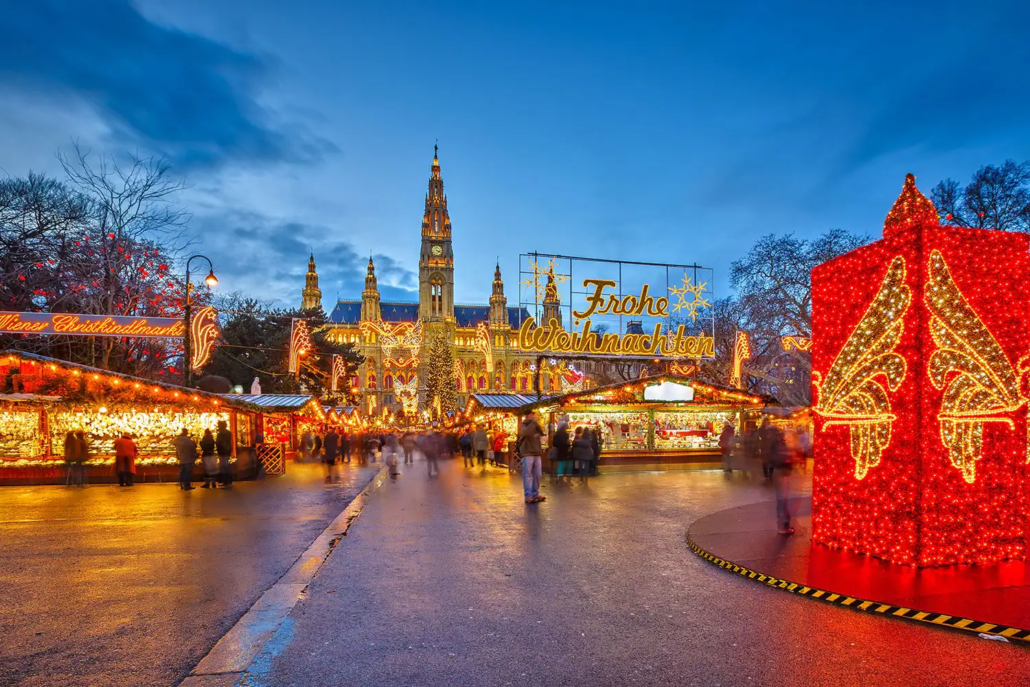
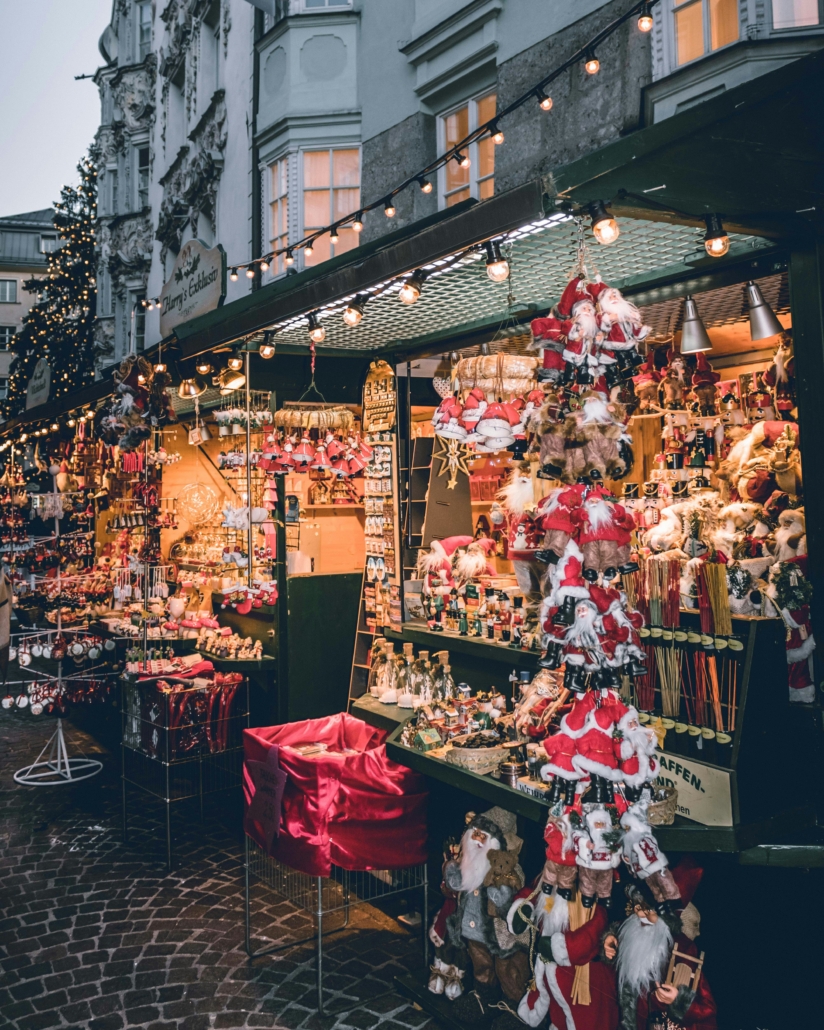
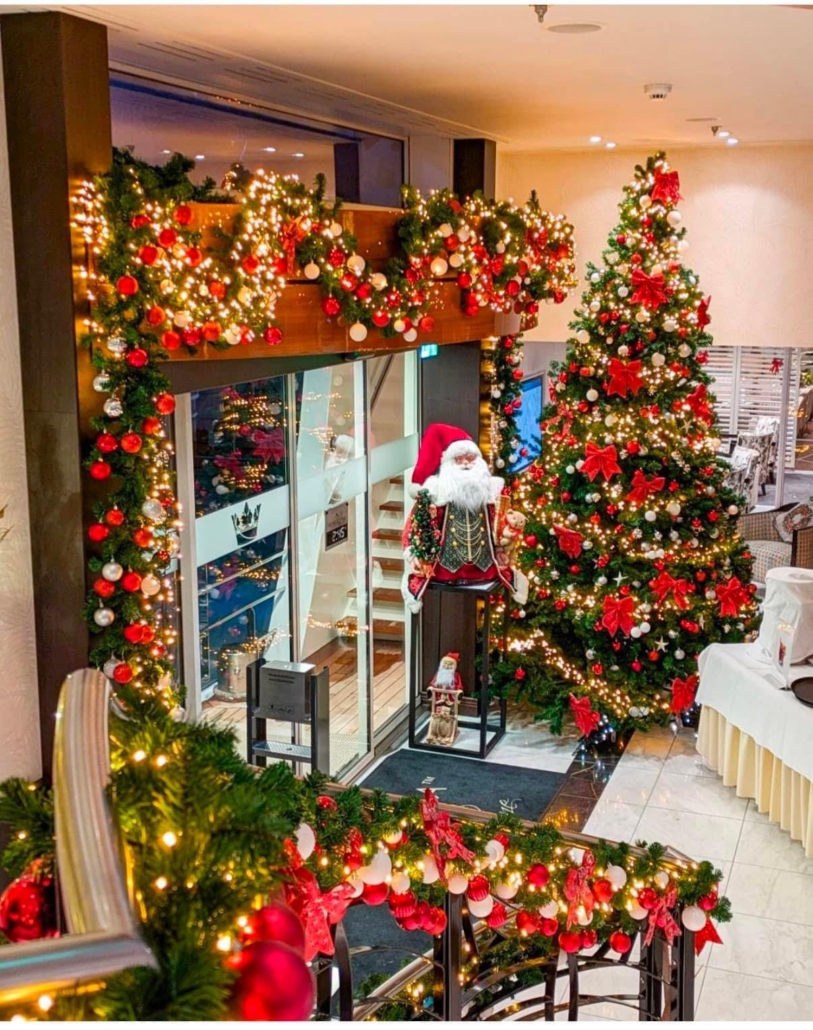
You’ve been scrolling through those dreamy photos of river cruises gliding past medieval castles and vineyards that seem to roll on forever. Maybe you’ve heard friends rave about their Danube cruise, or you’re wondering if a river cruise might be more your speed than those massive ocean ships.
Here’s the thing: river cruising is genuinely one of the most magical ways to see Europe (or Asia, or even Africa). But it’s also completely different from ocean cruising in ways that aren’t always obvious when you’re booking.
I’ve been working directly with river cruise lines for years now—attending their training sessions, building relationships with their teams, and yes, actually sailing these rivers myself. So when I tell you about river cruising, I’m not regurgitating brochure copy. I’m sharing what I’ve seen from the deck of these ships and what my clients tell me after they return home.
Let me save you the surprises and share the insider scoop that’ll help you decide if river cruising is your next adventure—and how to make the most of it if it is.
1. The Ship Is Tiny (And That’s Actually the Point)
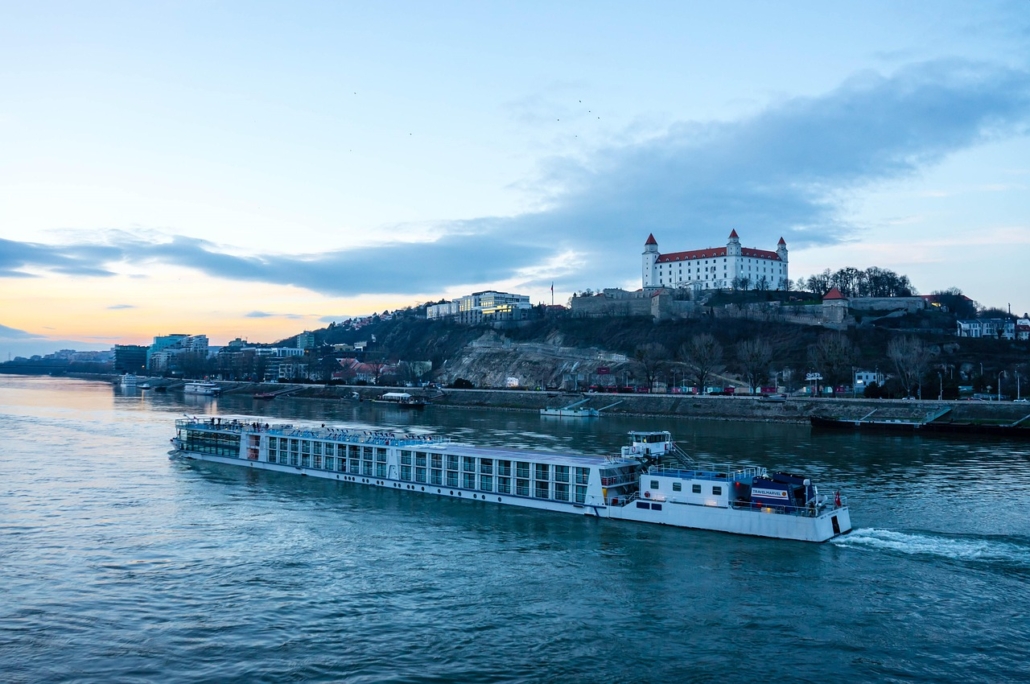
When I say tiny, I mean it. I’ve walked the decks of everything from AmaWaterways to Uniworld ships, and most carry 100-190 passengers. Compare that to ocean cruise ships that can hold 3,000-6,000+ people, and you’ll understand why the experience feels completely different.
You’ll recognize everyone by day three. The crew will know your name and your drink order. There’s no casino, no water slides, no Broadway shows. And honestly? That’s exactly why my clients who’ve done both tell me they prefer the river.
What this means for you: If you’re someone who gets overwhelmed by crowds or loves the idea of a more intimate, boutique experience, this is your jam. If you want entertainment options and anonymity, stick with ocean cruising.
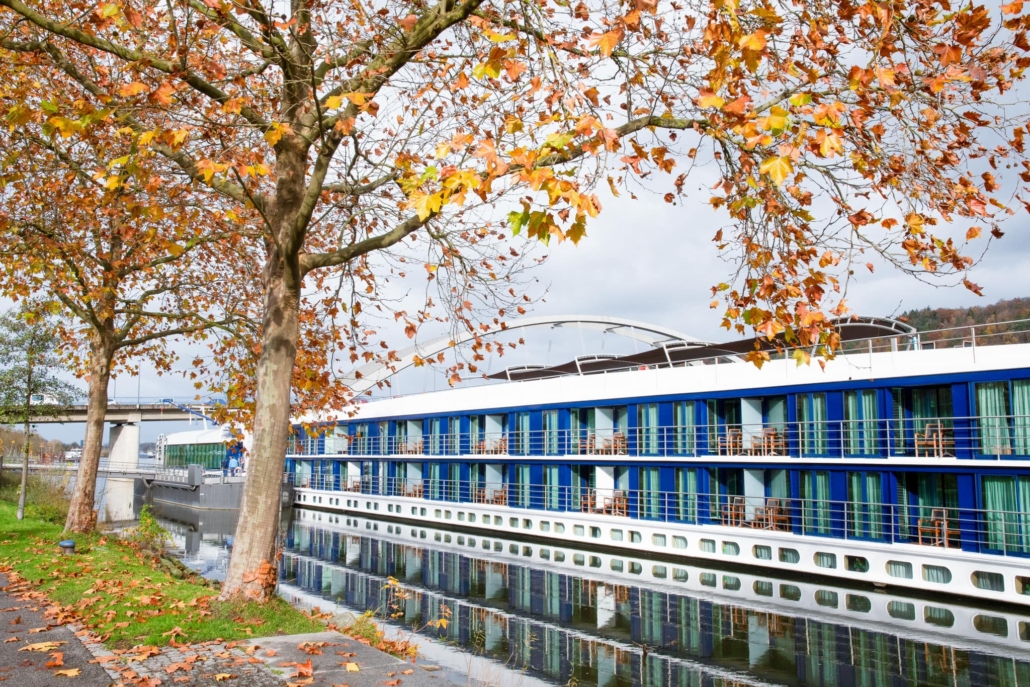
2. You Unpack Once, But You’re Moving Every Single Night
This is the magic of river cruising. You sleep while the ship glides to the next town. You wake up somewhere new, step off the ship, and you’re literally in the heart of a European village or city. No packing and unpacking between hotels. No train stations or rental cars.
But here’s what catches people off guard: because you’re moving through locks and under low bridges at night, you might hear some noise. The engines, the lock mechanisms, announcements from the crew. When I sailed the Rhine, I slept right through it. But if you’re a super light sleeper, I always recommend requesting a cabin on a higher deck away from the engine—the cruise lines know exactly which cabins those are.
3. The Cabins Are Cozy (Translation: Small)
European rivers have depth restrictions, so these ships are built long and narrow. That means cabins are compact—often 150-200 square feet. I’ve stayed in everything from standard cabins to suites, and here’s what I tell my clients: you’ll have a comfortable bed, a bathroom with a shower, and storage that’s clever but limited.
French balcony cabins are popular (floor-to-ceiling glass doors that open for fresh air but no step-out space), while some ships offer small outside balconies. I loved having a French balcony on my Danube cruise—there’s something incredible about opening those doors at sunrise while you’re cruising past Dürnstein.
Pro tip: Pack smart and light. Think Europe in a carry-on vibes. You don’t need five outfit changes per day—most passengers embrace a relaxed, casual-elegant atmosphere.
4. Nearly Everything Is Included (Yes, Really)
This is where river cruising shines and where the sticker price starts to make sense. I work directly with these cruise lines, and I can tell you exactly what’s included because it varies slightly by line—but it’s generally far more comprehensive than ocean cruising.
Most river cruises include:
- All meals (including excellent wine and beer with lunch and dinner)
- Daily shore excursions with local guides
- Wi-Fi
- Gratuities (on most lines)
- Sometimes even airport transfers
You’re not pulling out your wallet every time you want a glass of wine or hop off the ship for a tour. The freedom of that? Priceless.
What’s usually NOT included: Premium spirits, spa services, some specialty excursions, and shopping (obviously). But here’s the insider knowledge: I know which lines include what, and I can match you with the one that fits your preferences and budget.
5. The Excursions Aren’t Optional—They’re the Entire Point
Every day, you’ll dock in a new town or city. I’ve taken these excursions myself, and they’re not the massive bus tours with 50 people you might picture. Groups are smaller, guides are knowledgeable locals, and you’re often exploring on foot through cobblestone streets, medieval squares, and local markets.
During my training with AmaWaterways, I learned about their extensive active options—biking tours along the Danube, hiking in the Wachau Valley. Uniworld offers incredible culinary experiences and wine tastings. Each line has its strengths, and knowing those differences is how I match clients with the right cruise.
The reality check: You’ll be walking. A lot. Often on uneven surfaces. I’ve walked the hills of Prague, the cobblestones of Nuremberg, and the narrow streets of French villages. If mobility is a concern for you or someone in your group, I know exactly which itineraries work best and which cruise lines offer the most accessible options—plus I can arrange private tours when needed.
6. Water Levels Can Make or Break Your Itinerary
This is the one thing that stresses people out, but it shouldn’t if you understand it going in. And because I work directly with the cruise lines, I get real-time updates about water level situations and how they’re handling them.
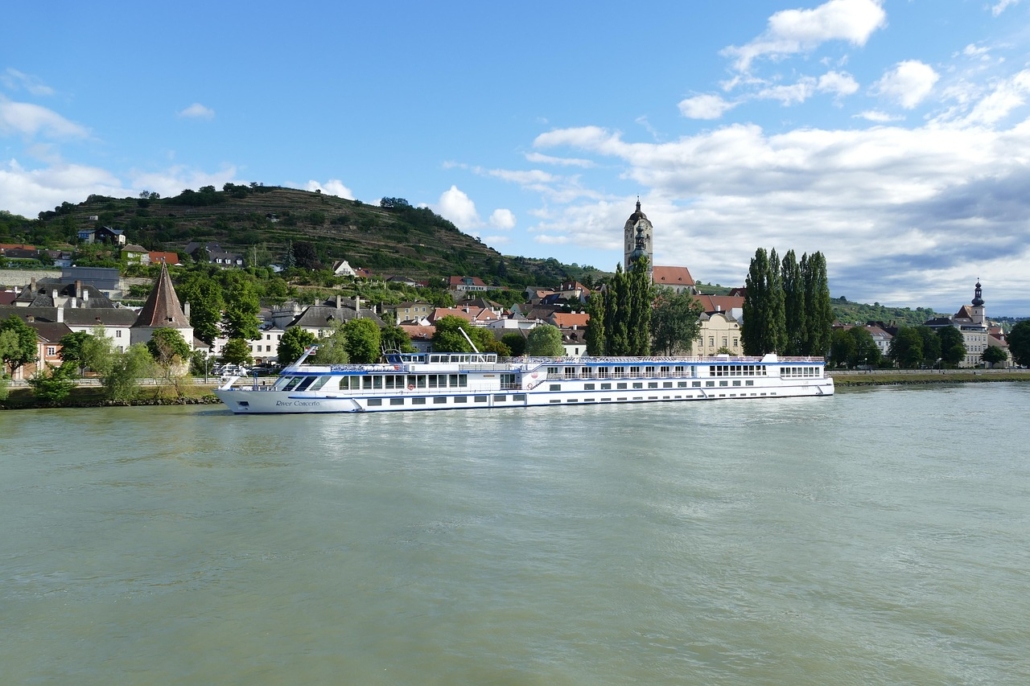
European rivers rise and fall with rainfall and snowmelt. If water levels get too high, the ship can’t fit under bridges. If they get too low, the ship can’t navigate certain stretches. When this happens, cruise lines have backup plans—sometimes you’ll take a bus to the next port, or they might swap in a different ship.
When it happens most: Low water is more common in late summer and early fall. High water tends to happen in spring (June especially) during snowmelt season.
Here’s what the cruise lines have taught me: They’ve been navigating these rivers for decades. They have contingency plans, alternative routes, and backup ships positioned strategically. You’ll still see the destinations—it just might not be exactly as planned. And honestly? Sometimes the alternative experiences end up being just as memorable.
7. Dressing Is Casual (Seriously, Leave the Gowns at Home)
I’ve attended the captain’s dinners, the welcome receptions, and every meal in between. There’s no formal night. No tuxedos. No sequined gowns.
River cruising leans toward “relaxed elegance.” Think nice jeans or slacks with a blouse or button-down for dinner. Maybe a sundress. A blazer if you want to dress it up. Comfortable walking shoes are essential for daytime excursions—I learned that the hard way on my first river cruise.
Some passengers dress up a bit for the captain’s dinner, but we’re talking cocktail attire at most—not black-tie.
8. You’ll Eat Better Than You Expected
I’ve dined on river cruise ships across multiple lines, and I can tell you: the food is shockingly good. We’re talking fresh, regional ingredients, often sourced from the areas you’re cruising through. Menus change to reflect local cuisine as you move through different countries.
On my Rhine cruise, we had authentic German schnitzel in Germany, French pastries in Strasbourg, Dutch cheeses in Amsterdam. The executive chefs on these ships take pride in showcasing regional flavors.
Breakfast and lunch are usually open seating with buffet and made-to-order options. Dinner is typically a multi-course affair with excellent wine pairings included.
Dietary restrictions? I’ve worked with the cruise lines on everything from gluten-free to kosher requirements. They handle these exceptionally well—just let me know in advance so I can coordinate directly with the ship.
9. The Demographic Skews Older (But That’s Changing)
Here’s what might surprise you: river cruising isn’t just for retirees anymore.
Sure, five or ten years ago, the average river cruise passenger was 60+. But what I’m seeing now—both on the ships I’ve sailed and in the bookings I’m making for clients—is dramatically different. River cruising is attracting travelers in their 40s and 50s, active couples looking for cultural immersion without the chaos of a mega-ship, and even families with kids.
The cruise lines have noticed this shift too. They’re responding with ships that feel more contemporary, itineraries that include active excursions (think biking through vineyards and hiking castle trails), and some lines are genuinely welcoming families onboard.
AmaWaterways, for instance, has entire programs designed for families. Their ships have connecting staterooms, and during school holiday periods, they offer family departures with kid-friendly activities and shore excursions. I’ve booked multigenerational families who want to experience Christmas markets together—grandparents, parents, and grandkids all sailing the Danube.
Uniworld skews slightly younger with their boutique, design-forward ships. Their “Generations” family cruises are specifically designed for families traveling together, with activities for different age groups.
Even Viking, traditionally known for an older demographic, is seeing younger travelers who appreciate the no-kids policy for a sophisticated, quiet experience.
If you’re worried about being the youngest person on the ship: Talk to me about which lines and which specific sailings attract the demographic you’re hoping for. Certain itineraries—like active and adventure-themed cruises, wellness sailings, or holiday departures—naturally draw a younger, more diverse crowd. I know which ones they are because I’m booking them and hearing directly from the cruise lines about who’s sailing.
River cruising isn’t your grandparents’ vacation anymore. Though honestly? Your grandparents probably have great taste.
10. Europe Is the Main Stage (But Not the Only One)
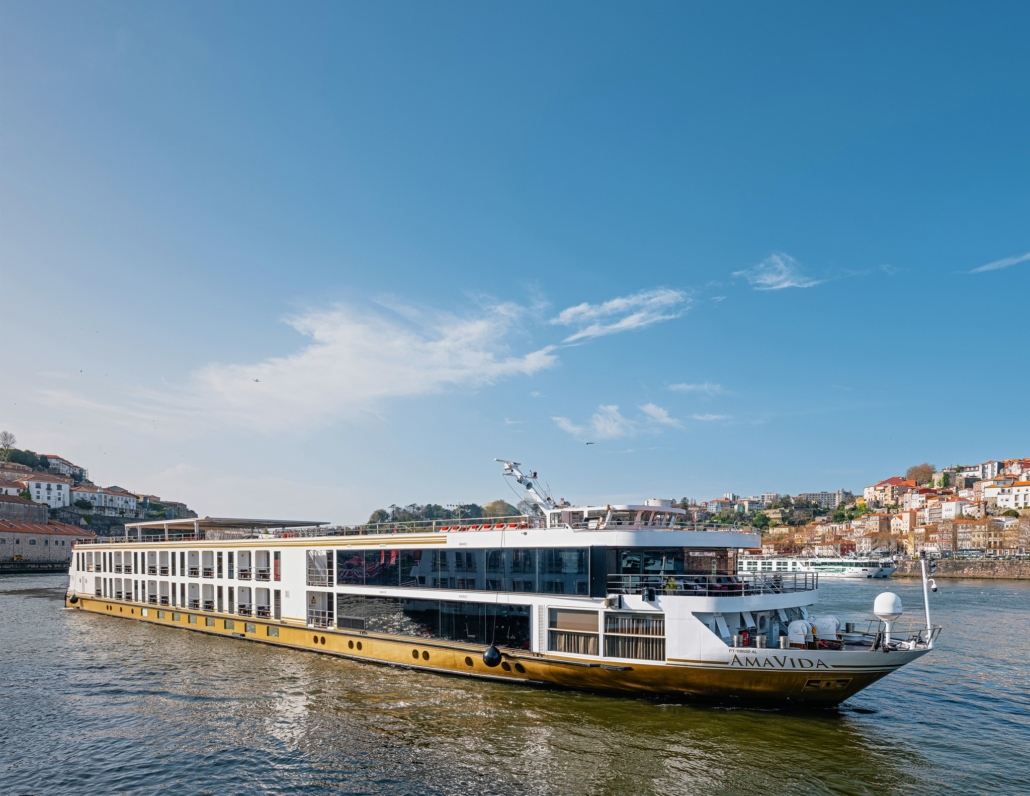
When most people think river cruising, they think Europe—the Danube, Rhine, Seine, Douro. And yes, that’s where I’ve spent most of my time on the rivers, and for good reason. The infrastructure, the history, the scenery… it’s unmatched.
But through my relationships with cruise lines like AmaWaterways, Uniworld, and Viking, I also book:
- Southeast Asia (Mekong River through Vietnam and Cambodia)
- Egypt (The Nile—iconic and bucket-list worthy)
- Africa (Chobe River for wildlife)
- South America (Amazon River)
- United States (Mississippi, Columbia, Snake Rivers)
Each destination offers a completely different flavor of river cruising. If European villages aren’t calling your name, I know the other incredible options inside and out.
11. Booking Early Matters More Than You Think
River cruise ships are small, remember? That means limited cabin inventory. I watch popular itineraries sell out 9-12 months in advance—Christmas markets, tulip season in Holland, Danube during fall foliage.
Plus, because I work directly with the cruise lines, I have access to early booking promotions and wave season deals that can save you hundreds to thousands of dollars per person. Sometimes I even get access to amenities or upgrades that aren’t publicly advertised.
The sweet spot: Book 9-12 months out for the best selection and pricing. Last-minute deals exist, but you’re at the mercy of whatever’s left—and honestly, I see those far less frequently in river cruising than in ocean cruising.
12. You Don’t Have to Figure This Out Alone
Here’s the truth: river cruising has a lot of moving pieces. Which river? Which cruise line? What time of year? Which cabin category? Pre- or post-cruise extensions?
You could spend hours researching online, comparing itineraries, reading reviews, and second-guessing yourself. Or you could work with someone who has direct relationships with these cruise lines, who’s attended their training programs, who’s sailed these rivers, and who knows exactly which questions to ask to match you with the perfect cruise.
I’ve been working with river cruise lines since 2019. I get on the phone with their BDMs (business development managers). I attend their FAM trips and virtual training sessions. I know the differences between a standard cabin on Viking versus AmaWaterways versus Uniworld—not because I read it online, but because I’ve been in those cabins.
There’s something special about helping someone experience Europe from the water for the first time—or finding that hidden gem itinerary that’s perfect for a seasoned traveler looking for something new.
So, Is River Cruising Right for You?
If you love the idea of waking up in a new European town every day without the hassle of packing and unpacking…
If you prefer smaller ships where you’re a person, not a number…
If you want to sip wine while medieval castles drift by your window…
If you’re looking for a travel experience that’s more cultural immersion and less “entertainment cruise”…
Then yes. River cruising might just be your perfect vacation.
Ready to Explore Your Options?
I’d love to help you plan your first river cruise (or your next one). Whether you’re dreaming of Christmas markets on the Danube, vineyards along the Rhine, or something completely different, let’s chat about what would make your trip unforgettable.
Want to start planning on your own timeline? Download my free River Cruising Planning Guide—it’s packed with everything you need to know about choosing the right river, the best time to go, what to pack, and questions to ask before you book. Plus, when you download it, you’ll join my email list where I share insider tips, exclusive cruise deals, and the kind of practical advice that only comes from actually being on these ships.
Contact me today to start planning your river cruise adventure. I’ll tap into my relationships with the cruise lines to find you the perfect sailing, the best cabin, and often, perks you won’t find booking on your own.