Small Ship vs. Large Ship Alaska Cruises: The Truth About What You Actually Experience
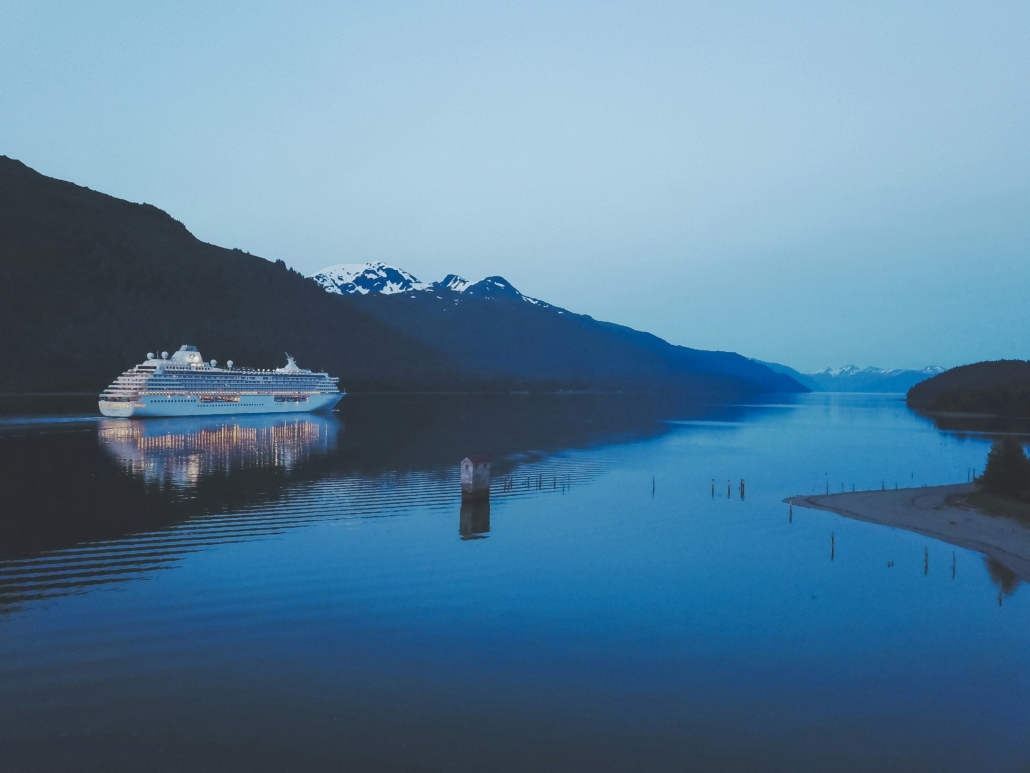
Here’s something most people don’t realize until it’s too late: the size of your Alaska cruise ship doesn’t just affect how many people are onboard—it fundamentally changes what you’ll see, how you’ll experience it, and whether you’ll come home with those jaw-dropping moments you’re dreaming about.
I’ve been helping travelers navigate this decision for years now, and I can’t tell you how many times someone has said, “I wish I’d understood this before I booked.” So let’s talk about what the brochures don’t tell you.
Why Ship Size Actually Matters in Alaska (Unlike Anywhere Else)
You know how cruise ship size doesn’t make a huge difference in the Caribbean? Alaska is the complete opposite.
The dramatic landscapes, narrow fjords, wildlife encounters, and glacial waterways were made for intimate exploration—not 3,000-passenger floating resorts. Don’t get me wrong, large ships have their place, but the experience gap between small and large in Alaska is massive. 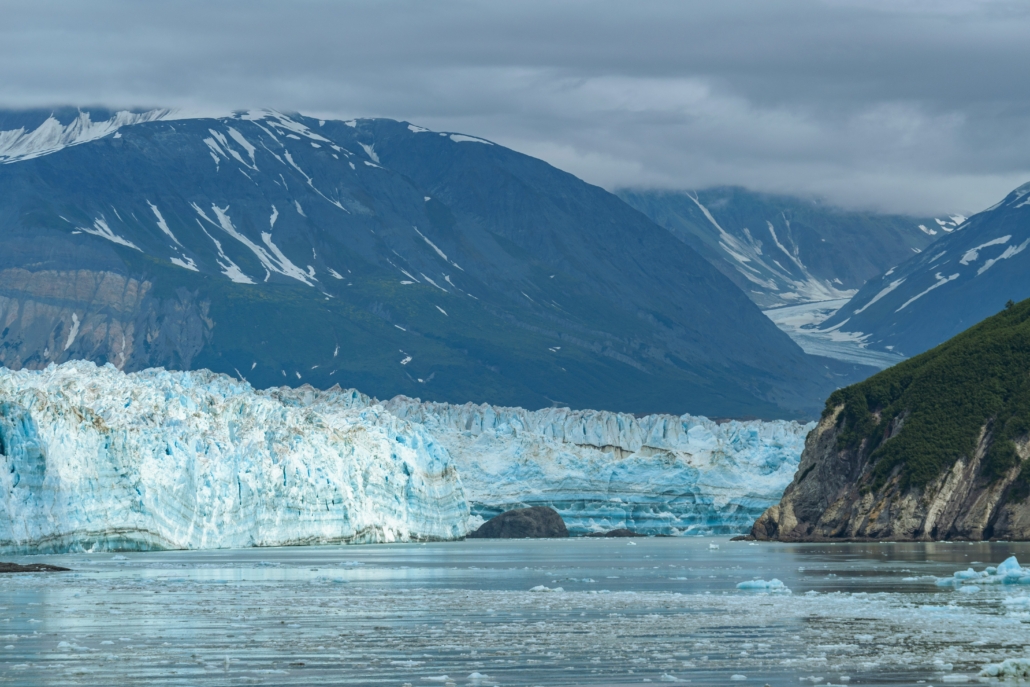
Here’s the real difference: access.
Small ships (under 250 passengers) can navigate places that large ships simply cannot reach. We’re talking about pristine fjords where humpback whales feed undisturbed, remote glacier faces without another vessel in sight, and tiny ports that feel like you’ve discovered Alaska’s best-kept secrets.
What You Actually Experience on a Large Ship (1,500+ Passengers)
Let’s start with the big ships because they’re what most people picture when they think “cruise.”
The Reality:
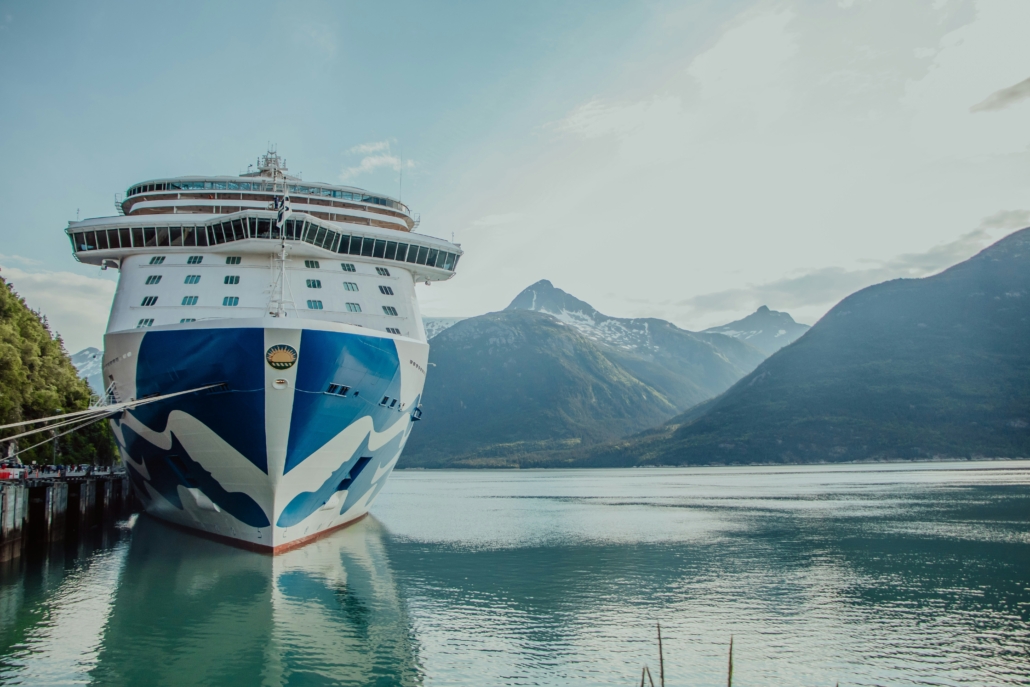
The Crowds: When your ship pulls into Juneau or Ketchikan, you’re disembarking with 2,000-4,000 other people (often multiple large ships dock simultaneously). The quaint downtown shops? Packed. That salmon bake everyone recommended? There’s a line. Shore excursions feel like organized tours rather than exploration.
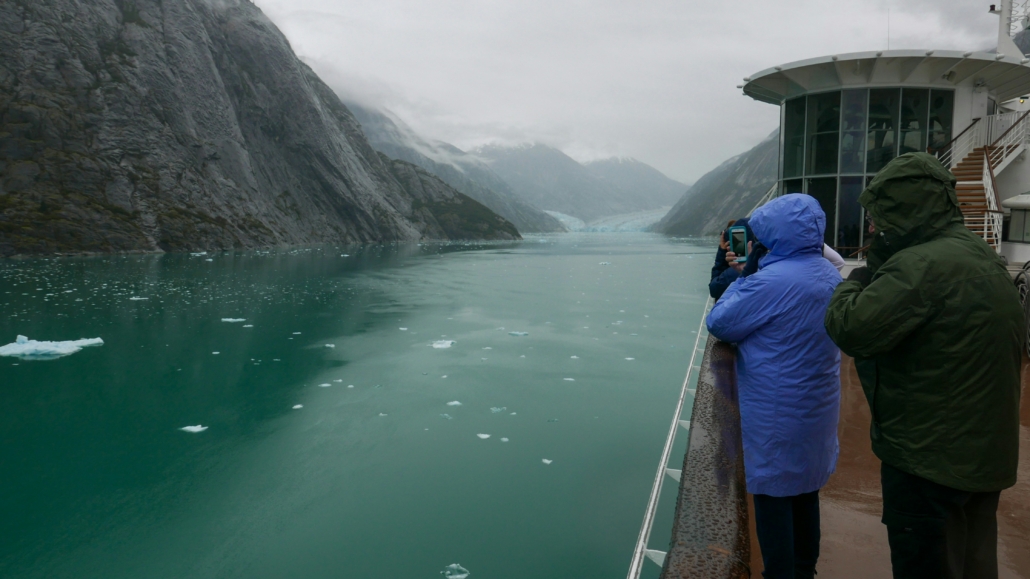
The Viewing Experience: Picture this: you’re in Tracy Arm Fjord approaching Sawyer Glacier. It’s spectacular. You’re also sharing the outer decks with hundreds of other passengers, jockeying for position at the rail. Got kids? Good luck keeping them in one spot for photos. Feeling spontaneous about running to the other side when someone spots a whale? You’ll be navigating a crowd.
The Ports: Large ships stick to the “big three” ports—Juneau, Ketchikan, and Skagway—because they’re the only ones that can handle the vessel size and passenger volume. You’ll see Alaska’s greatest hits, but so will everyone else.
What Large Ships Do Well:
I’m not here to trash large ships—they have real advantages:
- Amenities galore: Multiple restaurants, pools, shows, kids’ clubs, spas, and entertainment
- Stability: Less motion in rough seas (matters if you’re prone to seasickness)
- Pricing: Often more budget-friendly, with frequent deals and promotions
- Family appeal: The Busy Parents and Multi-Gen families love the activities and childcare options
- Predictability: You know what you’re getting with major cruise lines
Bottom line: Large ships work beautifully if you want a cruise vacation that happens to be in Alaska—where the ship itself is part of the destination and Alaska is the stunning backdrop.
What You Actually Experience on a Small Ship (Under 250 Passengers)
Now let’s talk about what changes when you scale down.
The Reality:
Exclusive Access: Small ships navigate narrow waterways that large vessels can’t touch. You’ll cruise through Misty Fjords, get up close to tidewater glaciers in secluded bays, and visit remote Native communities where tourism hasn’t become industrialized. These aren’t “alternative” experiences—they’re often the best experiences.
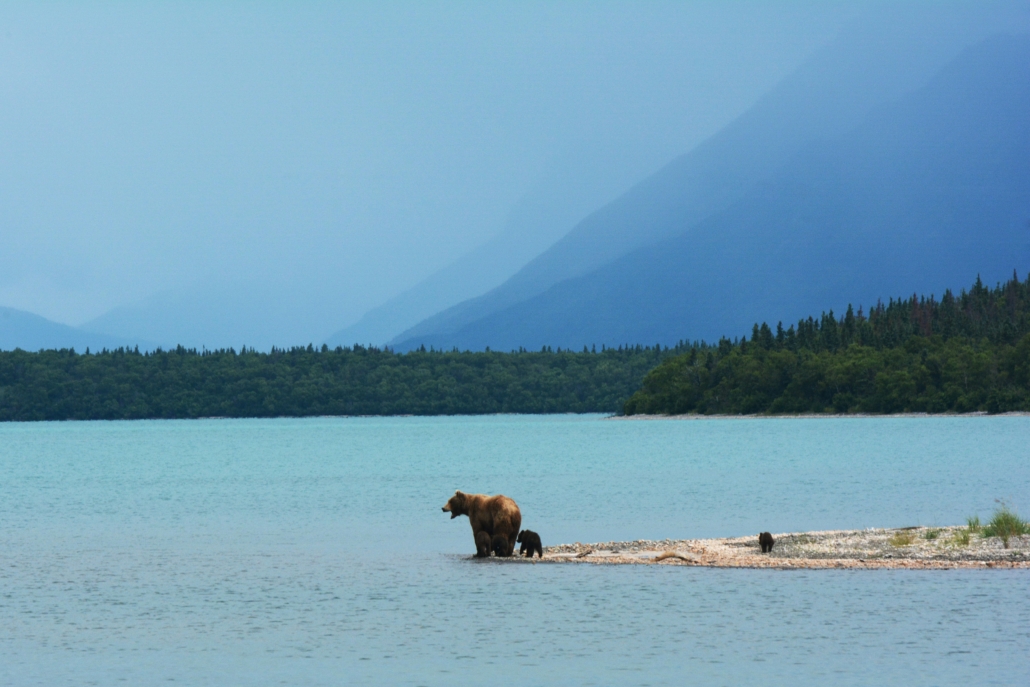
Wildlife Encounters: When a naturalist spots a pod of orcas, the captain can reposition the ship for optimal viewing. With 100 passengers instead of 2,000, everyone gets a front-row seat. I’ve had clients tell me about watching brown bears fish for salmon from so close they could see their breath in the cold air—with maybe 30 other people total sharing the moment.
The Intimacy Factor: You’ll know your fellow passengers by name within two days. The crew remembers your coffee order. There’s no fighting for deck space or rushing to dinner reservations. It feels less like a cruise and more like an expedition with like-minded travelers.
Expertise Onboard: Small expedition ships typically carry naturalists, marine biologists, and local historians who give presentations and join you on deck. You’re not just seeing Alaska—you’re understanding it.
The Trade-offs:
Here’s what you give up:
- Limited amenities: One dining room (though the food is often exceptional). No Broadway shows or casinos.
- Higher price point: Small ship cruising is premium, often significantly more expensive per day
- More motion: Smaller vessels feel the waves more (though stabilizers help)
- Less choice: Fewer departure dates and itineraries to choose from
Bottom line: Small ships deliver an Alaska adventure that happens to be on a ship—where the destination is everything and the vessel is your comfortable base camp for exploration.
The Honest Comparison: What Actually Matters
Let me break down the key decision factors:
|
Experience Factor |
Large Ship |
Small Ship |
|
Glacier Viewing |
Spectacular, but shared with crowds |
Intimate, often closer access, fewer people |
|
Wildlife Encounters |
From a distance, scheduled viewing times |
Up close, flexible positioning, expert narration |
|
Port Access |
Major ports only (crowded) |
Major + remote ports (authentic) |
|
Onboard Vibe |
Resort vacation, entertainment-focused |
Expedition atmosphere, education-focused |
|
Time in Nature |
Scenic sailing with port-heavy itinerary |
Maximum time in wilderness areas |
|
Who You’ll Meet |
All ages, varied interests |
Typically older, adventure-minded travelers |
|
Personalization |
You’re a passenger number |
You’re a known guest |
So Which Should You Actually Choose?
Here’s the truth nobody wants to say: there’s no universally “better” option—only what’s better for you.
Choose a Large Ship If:
- You want classic cruise amenities (shows, multiple dining options, pools)
- You’re traveling with kids or a multi-generational family
- Budget is a primary concern
- You prefer the energy of a bustling ship
- Alaska is one highlight among many vacation elements you value
- You get seasick easily
Choose a Small Ship If:
- Alaska’s wilderness is your primary draw
- You want access to places large ships can’t reach
- You value intimate wildlife encounters over entertainment
- You prefer smaller crowds and personalized service
- You’re comfortable with a higher price point for exclusive experiences
- You want educational enrichment from onboard experts
The Question Nobody Asks (But Should)
Here’s what I always ask my clients: What’s the ONE experience you’d be devastated to miss in Alaska?
If it’s seeing glaciers calve into the sea with whales breaching nearby in complete wilderness silence—that’s small ship territory.
If it’s enjoying Alaska’s scenery while your kids are happily occupied in the kids’ club and you’re relaxing by the pool with a cocktail—that’s where large ships excel.
Neither answer is wrong. But knowing your answer makes the choice crystal clear.
Ready to Find Your Perfect Alaska Cruise?
Here’s the thing: Alaska cruise planning goes way beyond ship size. There’s timing (shoulder season vs. peak summer), itinerary routing (Inside Passage vs. Gulf of Alaska), pre- and post-cruise options (Denali, anyone?), and excursion selections that can make or break your trip.
That’s where I come in.
Want my insider Alaska cruise planning guide? Subscribe to my newsletter and I’ll send you my free guide with everything you need to know—including the questions to ask before booking, the excursions actually worth your money, and the timing tips that could save you thousands.
Or let’s just talk. I’ve been booking Alaska cruises since 2019, and I can match you to the exact ship, itinerary, and experience that fits your travel style and budget. No pressure, no sales pitch—just honest guidance from someone who genuinely loves helping people discover Alaska the right way.
Because here’s what I know for certain: Alaska is the trip of a lifetime. And lifetime trips deserve to be done right.
About Post Author