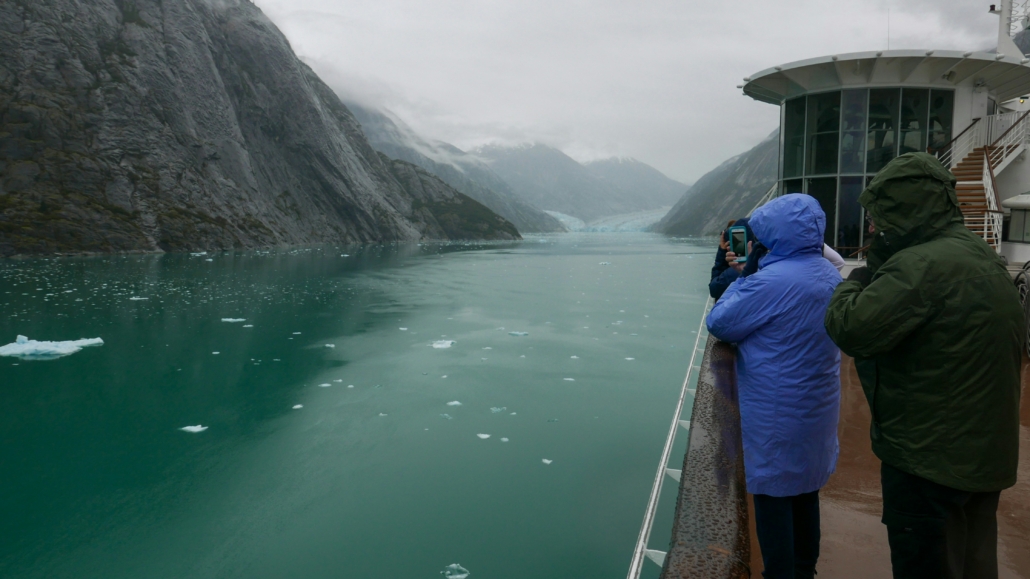
After working with all of the luxury cruise lines across five continents, I’ve learned that the world’s most refined cruise experiences share one thing: they transform travel from a checklist into an art form. Whether you’re watching glaciers calve in Alaska or sipping wine in a private Tuscan vineyard, luxury cruising offers something no land-based trip can match—unpacking once while waking up to a new destination each morning.

But what actually makes a cruise “luxury”? It’s not just thread count and champagne (though those help). True luxury cruising means nearly all-inclusive pricing, guest-to-staff ratios of 2:1 or better, and itineraries designed for immersion rather than rushing. We’re talking ships carrying 200-700 guests instead of 3,000+, shore excursions led by local experts rather than megaphone-wielding guides, and dining that rivals Michelin-starred restaurants.

Let me walk you through five destinations where luxury cruising truly shines—based on my own experience sailing these routes and the consistently glowing feedback from my clients.

The Mediterranean—Culture, Cuisine, and Coastline

A Mediterranean cruise blends history, fine dining, and picturesque coastal views into one seamless experience. Ports like Barcelona, Rome, Santorini, and Dubrovnik offer access to ancient ruins, Renaissance art, and seaside villages—all within a single itinerary.

Here’s what sets luxury Mediterranean cruises apart: while mass-market ships dock mid-morning alongside four other vessels, lines like Seabourn, Oceania, and Regent Seven Seas arrange early arrivals or late departures. That means you’re exploring the Colosseum at sunrise or strolling Santorini’s caldera at sunset—when the Instagram crowds have vanished.
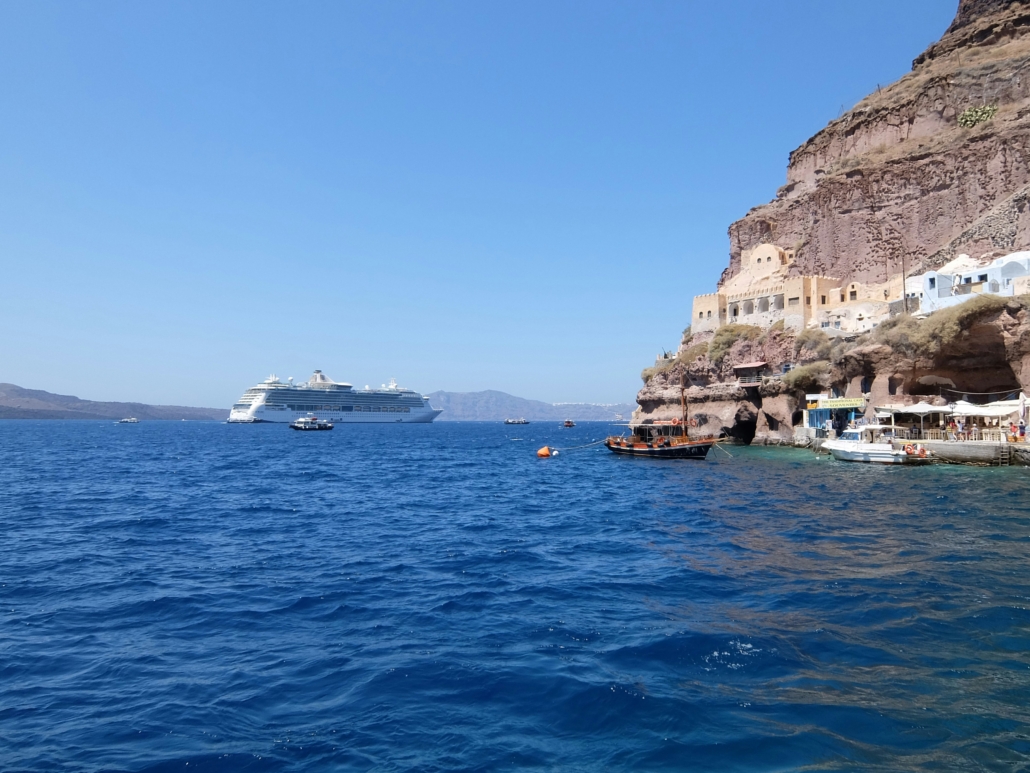
During my recent training voyage through the Greek Isles, I watched guests return from private shore excursions that included:

  • Guided archaeological tours with accredited historians (not general tour guides)
  • Exclusive wine tastings in family-owned Tuscan vineyards
  • Sunset sailing along the Amalfi Coast aboard private yachts
  • Behind-the-scenes access to artisan workshops in Florence

Onboard, you’ll find elegant staterooms with balconies (often included at no extra charge), regionally inspired menus curated by award-winning chefs—Oceania’s culinary program consistently earns raves from my foodie clients—and spa treatments infused with local botanicals.

With fewer passengers and a higher crew-to-guest ratio, these voyages provide personalized service that feels effortless. From the Aegean’s turquoise waters to the French Riviera’s elegance, the Mediterranean remains my top recommendation for first-time luxury cruisers.

Wondering which Mediterranean itinerary matches your travel style—Greek Isles, Italian Riviera, or a grand voyage combining both? Let’s talk. I work directly with luxury cruise lines to secure cabin upgrades, onboard credits, and exclusive excursions you won’t find booking online.

The Caribbean—Tropical Elegance and Island-Hopping

The Caribbean combines natural beauty with warm hospitality, making it a premier destination for luxury cruise experiences. But forget the crowded ports of call you’re picturing. Luxury Caribbean itineraries skip Nassau and Cozumel in favor of exclusive harbors like:

  • St. Barts
  • Anguilla
  • Bequia
  • The British Virgin Islands

The difference? You’re not one of 5,000 passengers flooding a single beach. Instead, you might find yourself on a private catamaran excursion with just eight other guests, snorkeling untouched coral reefs, or visiting a family-run rum distillery where the owner personally guides your tasting.
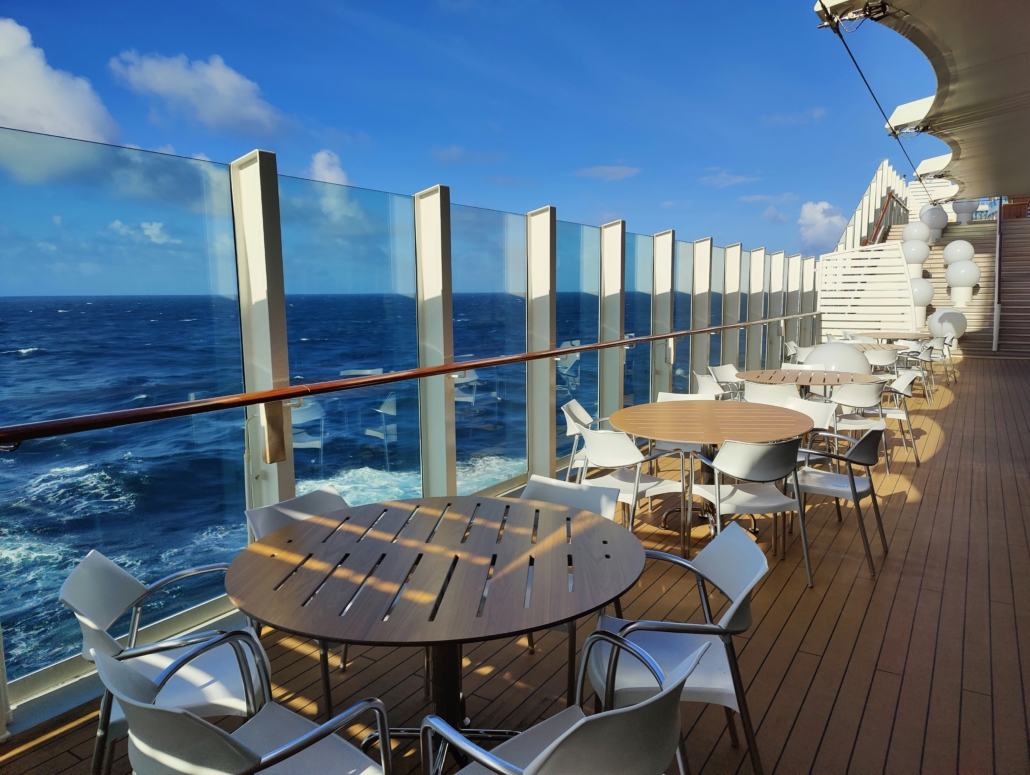
Small-ship luxury lines like SeaDream and Windstar specialize in this region, accessing intimate coves and less-traveled islands where larger vessels simply can’t go. My clients consistently tell me these are the “real Caribbean” experiences they’d been searching for.

Onboard features include oceanview suites (many with private verandas), chef-prepared cuisine that goes far beyond the buffet line, and wellness-focused amenities such as spas with ocean views, sunset yoga on deck, and plunge pools. One couple recently told me their SeaDream Caribbean voyage felt less like a cruise and more like staying at a floating five-star resort that happened to move to a new paradise each morning.

The result? A relaxed, immersive experience where each day brings a new island to explore—without the stress of coordinating ferries, hotels, or rental cars.

Alaska—Wilderness and Refined Comfort

Alaska offers a striking contrast of rugged landscapes and elevated travel experiences, making it one of my favorite luxury cruise destinations for nature-focused travelers. During the summer cruise season (May through September), itineraries typically include stops in:

  • Juneau
  • Sitka
  • Ketchikan
  • Glacier Bay National Park

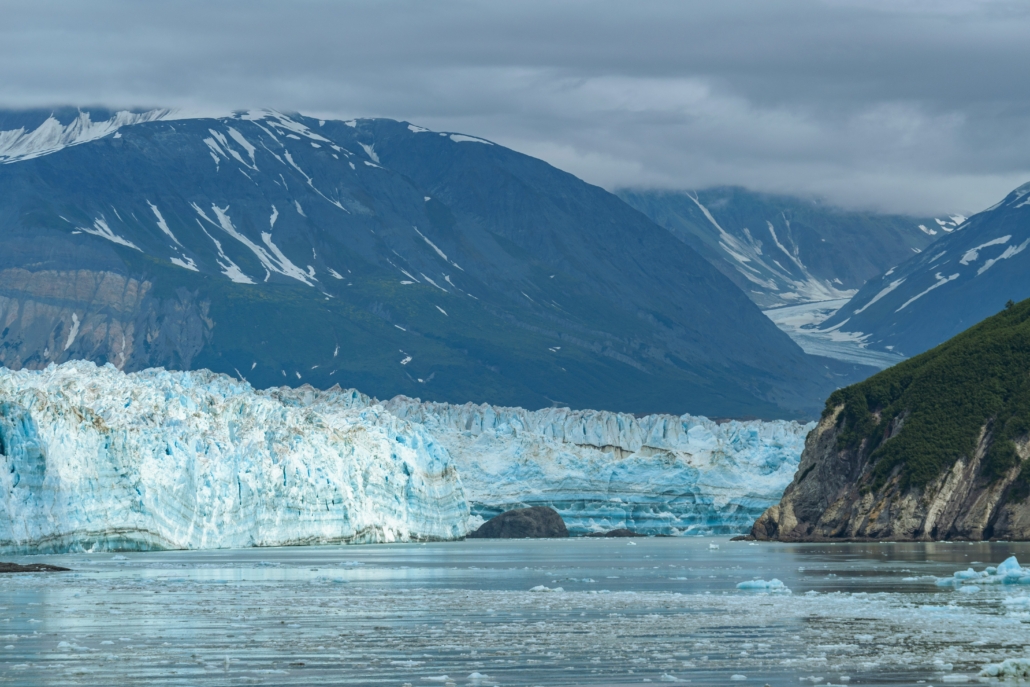
Here’s what most people don’t realize about Alaska cruising: ship size dramatically impacts your experience. Luxury vessels carrying 200-600 guests can navigate narrower passages and spend more time in places like Tracy Arm Fjord, where you’ll watch glaciers calve from your private balcony. Mass-market ships with 3,000+ passengers? They stick to the major ports and keep moving.
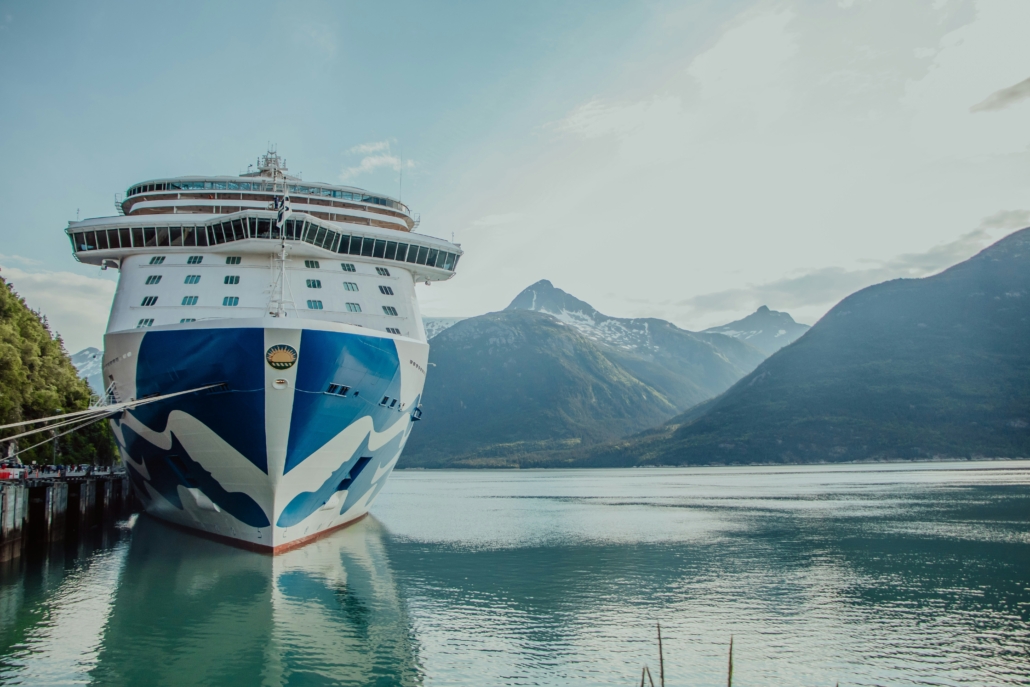
I’ve watched clients return absolutely transformed from shore excursions like:

  • Helicopter rides over ice fields with glacier landings
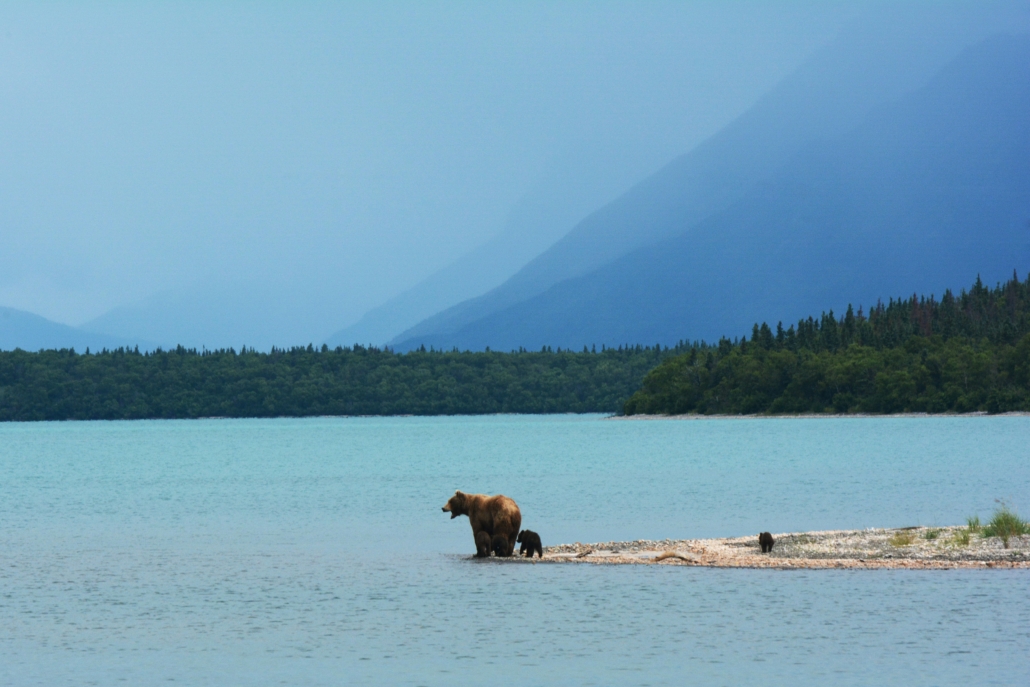
  • Small-group bear viewing with expert naturalists (8 guests, not 80)
  • Kayaking along remote inlets where humpback whales surface just yards away
  • Private visits to traditional Tlingit artisan communities

Luxury lines like Regent Seven Seas and Silversea also include experiences you’d never find on mainstream ships: nature photography workshops led by professional photographers, marine biologist lectures that make you actually understand what you’re seeing, and zodiac excursions to wilderness areas closed to larger vessels.

Onboard, you’ll unwind in panoramic observation lounges (often with complimentary premium cocktails), spa suites overlooking the Inside Passage, and dining venues highlighting Alaskan ingredients like wild-caught salmon and Dungeness crab. No upcharges for specialty restaurants—it’s all included.

One warning: Alaska luxury cruises book 12-18 months ahead for peak summer dates. If this is calling your name, let’s start planning now.

European Rivers—Intimate Luxury Along Iconic Waterways

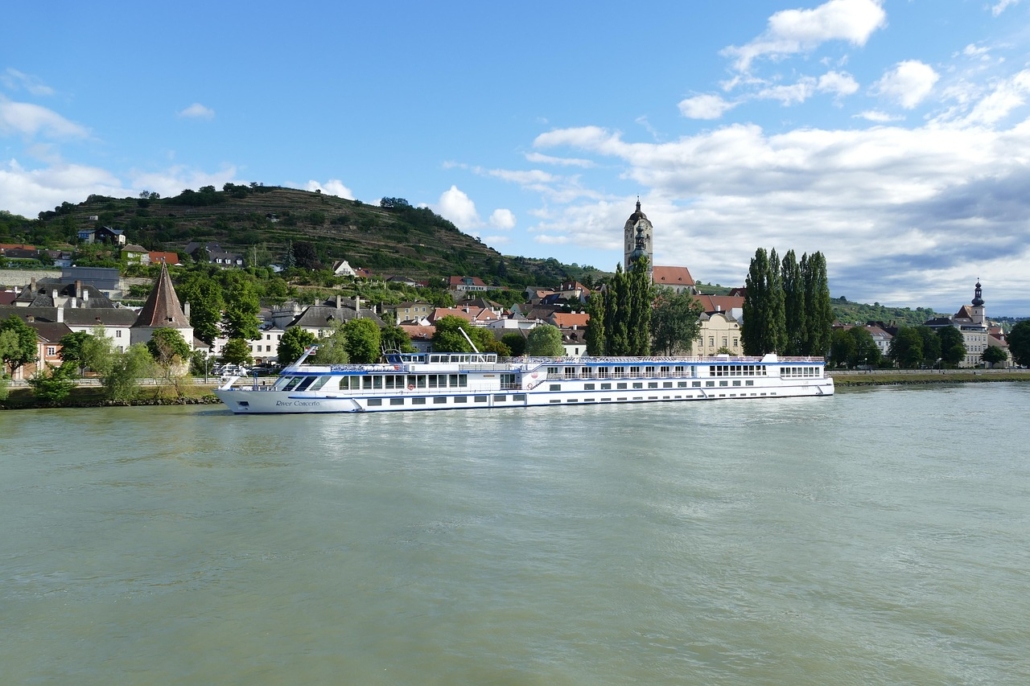
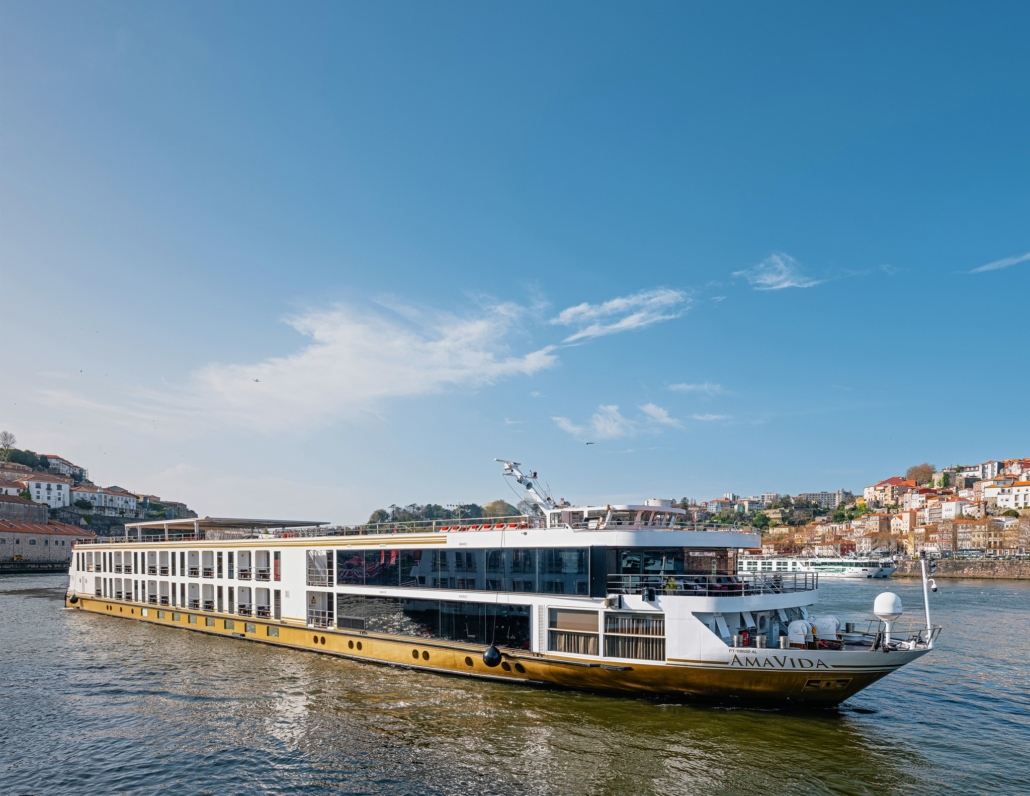
If ocean cruising feels too big or impersonal, European river cruising might be your perfect match. These voyages combine scenic landscapes, historic cities, and exceptional local cuisine into compact, culture-rich itineraries—and they’ve become one of my specialties since completing extensive training with Viking, AmaWaterways, and Uniworld.

Routes along the Danube, Rhine, Seine, and Douro allow you to wake up in the heart of Vienna, Strasbourg, or Porto—no buses or transfers required. You literally step off the ship into centuries-old town squares.

River cruises are inherently more intimate, carrying just 100-200 guests (compared to 700+ on small ocean ships). This means daily guided excursions feel like exploring with knowledgeable friends rather than following a flag through crowds. Recent client favorites include:

  • Private castle tours in Germany’s Rhine Valley
  • Guided walks through Budapest’s Christmas markets
  • Exclusive museum access in Amsterdam before public hours
  • Truffle hunting in France’s Périgord region

The culinary experience deserves special mention. River cruise chefs source ingredients from local markets at each port, creating regional tasting menus that change with your location. During my Danube sailing, we enjoyed Hungarian goulash in Budapest, Wiener Schnitzel in Vienna, and Czech beer pairings in Regensburg—all prepared onboard by classically trained chefs.
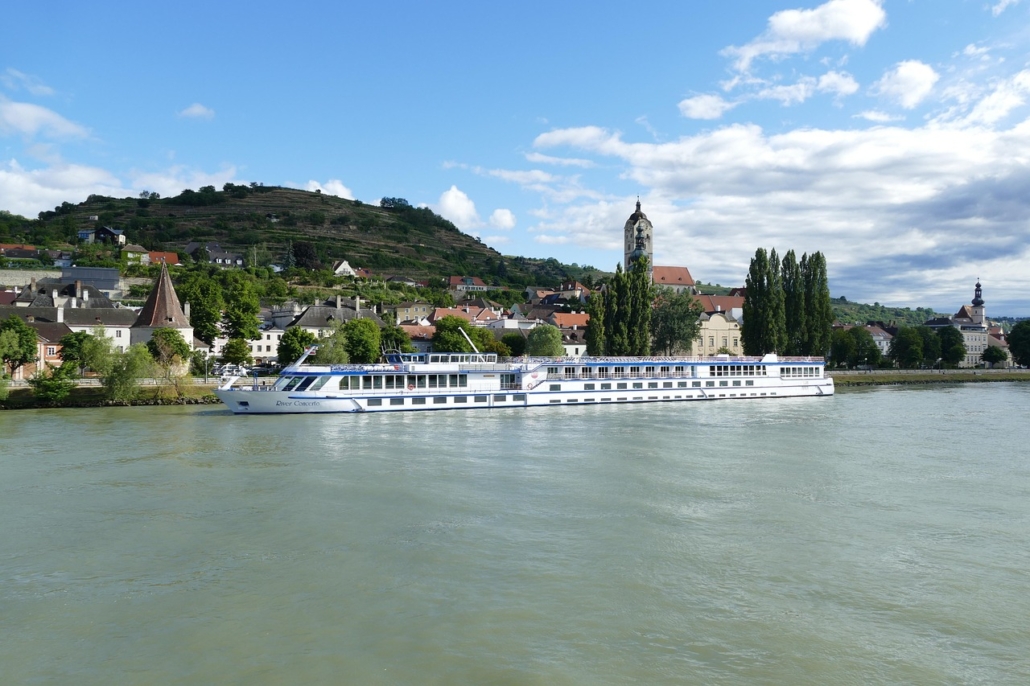
Most river cruise staterooms feature floor-to-ceiling windows that transform into open-air balconies (French balconies). Imagine sipping morning coffee while gliding past medieval castles or autumn vineyards, all from your own room.

Here’s the best part: nearly everything is included. Shore excursions, wine and beer with meals, Wi-Fi, gratuities—it’s all covered. No surprise bills at the end, no deciding which excursion is “worth” the extra $200. My clients consistently tell me this all-inclusive approach makes river cruising feel more relaxing than any vacation they’ve taken.

Curious whether river or ocean cruising suits you better? Or which European river offers the experiences you’re craving? I’d love to help you navigate the options—complimentary consultation, no pressure.

Egypt—Luxury Along the Nile

A cruise along the Nile River offers a distinctive blend of ancient history and modern luxury that you simply cannot replicate anywhere else on earth. I’ll be honest: this is the cruise that even non-cruisers find irresistible.

Luxury Nile itineraries typically include stops in:

  • Luxor (including Karnak Temple)
  • Aswan
  • Kom Ombo
  • The Valley of the Kings
  • Philae Temple

What makes Nile cruising extraordinary is the intimacy of the experience. Ships carry 50-80 guests maximum, creating an atmosphere that feels more like a private yacht charter than a traditional cruise. You’re traveling with the same small group, often forming friendships over sunset cocktails on deck while ancient temples glow golden in the distance.
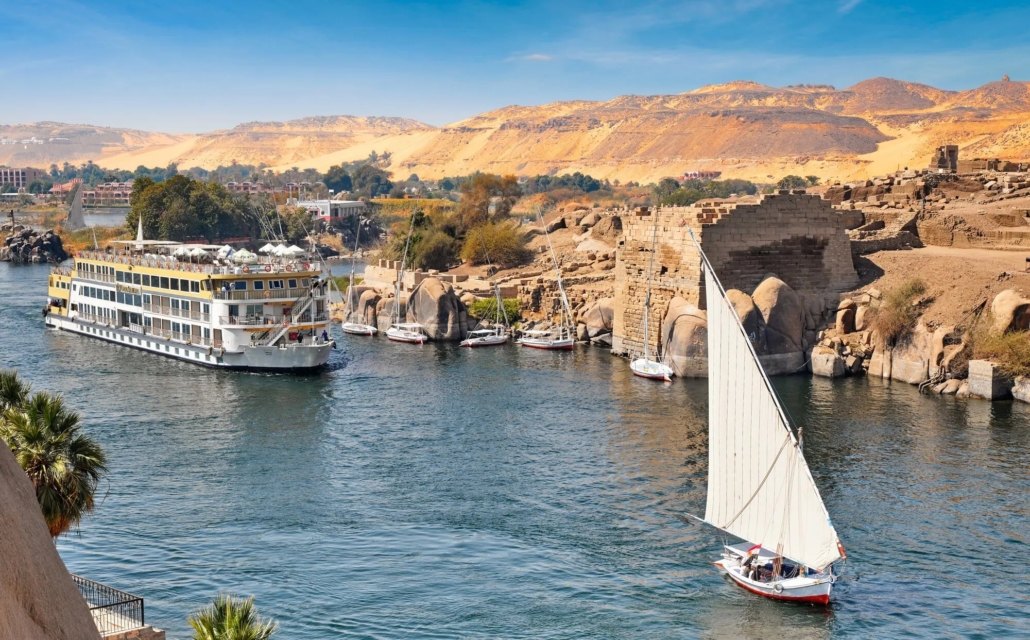
The real magic happens onshore. Unlike cruise excursions that herd you through on a schedule, luxury Nile cruises arrange expert-guided tours with Egyptologists—scholars who’ve dedicated their careers to these sites. During my training voyage, our guide translated hieroglyphics in real-time, explained the astronomical precision of temple alignments, and shared stories that brought 3,000-year-old history to vivid life.

Exclusive experiences often include:

  • Early-access visits to major temples (before the heat and crowds)
  • Evening sound and light shows at Karnak
  • Private time in lesser-known tombs
  • Meetings with local archaeologists working active dig sites

Onboard, you’ll find elegantly appointed staterooms with Nile views, panoramic sun decks perfect for watching rural Egyptian life unfold along the riverbanks, and menus blending Egyptian specialties with international cuisine. Many luxury Nile vessels also offer onboard lectures by Egyptologists, ensuring you understand the significance of everything you’re seeing.

Fair warning: Egypt isn’t for everyone. The heat can be intense (October-April is ideal), and the persistent vendors at some sites require patience. But for travelers who’ve always dreamed of seeing the pyramids, temples, and tombs they studied in school? This is the trip that delivers—with comfort and context that transform it from tourism into something approaching pilgrimage.


Ready to Find Your Perfect Luxury Cruise?

After helping travelers navigate luxury cruise options for many years, I’ve learned that the “best” destination isn’t about rankings—it’s about matching the experience to what actually matters to you. Are you craving cultural immersion? Natural wonders? Culinary adventures? Multi-generational family bonding?

Here’s what working with me includes:

✓ Complimentary consultation to understand your travel style and priorities
✓ Direct access to luxury cruise line promotions, cabin upgrades, and onboard credits
✓ Personalized itinerary recommendations based on my firsthand sailing experience
✓ Coordination of pre- and post-cruise hotel stays, private transfers, and extended land programs
✓ Ongoing support before, during, and after your voyage

Let’s start planning your next adventure. Contact me today for a complimentary consultation, and let’s find the luxury cruise experience that transforms your travel dreams into reality.
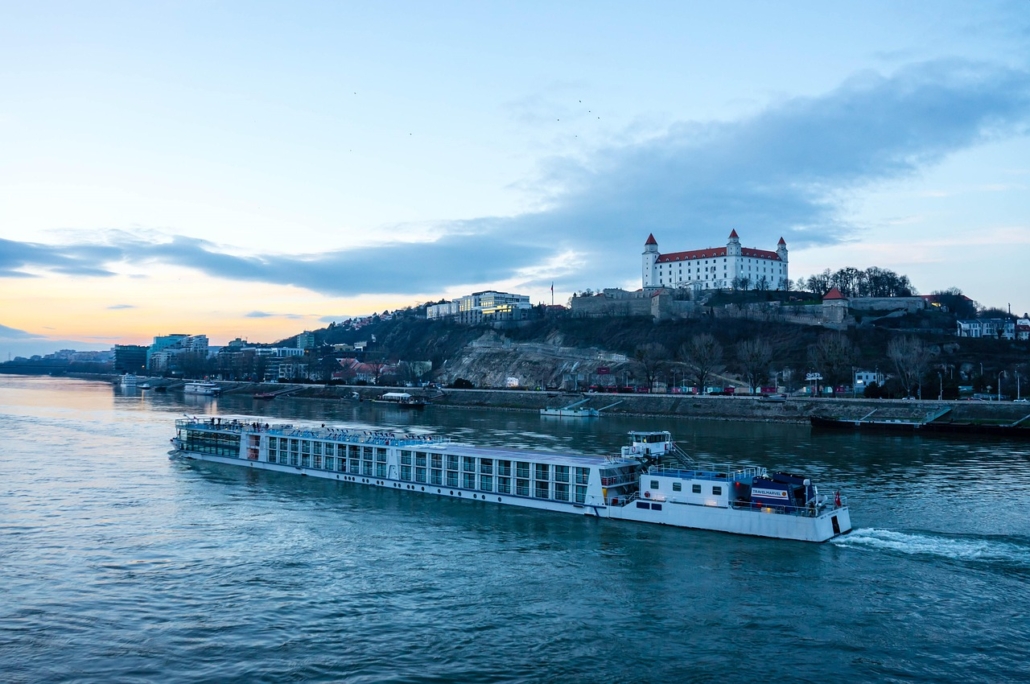
You’ve been scrolling through those dreamy photos of river cruises gliding past medieval castles and vineyards that seem to roll on forever. Maybe you’ve heard friends rave about their Danube cruise, or you’re wondering if a river cruise might be more your speed than those massive ocean ships.

Here’s the thing: river cruising is genuinely one of the most magical ways to see Europe (or Asia, or even Africa). But it’s also completely different from ocean cruising in ways that aren’t always obvious when you’re booking.

I’ve been working directly with river cruise lines for years now—attending their training sessions, building relationships with their teams, and yes, actually sailing these rivers myself. So when I tell you about river cruising, I’m not regurgitating brochure copy. I’m sharing what I’ve seen from the deck of these ships and what my clients tell me after they return home.

Let me save you the surprises and share the insider scoop that’ll help you decide if river cruising is your next adventure—and how to make the most of it if it is.

1. The Ship Is Tiny (And That’s Actually the Point)

When I say tiny, I mean it. I’ve walked the decks of everything from AmaWaterways to Uniworld ships, and most carry 100-190 passengers. Compare that to ocean cruise ships that can hold 3,000-6,000+ people, and you’ll understand why the experience feels completely different.

You’ll recognize everyone by day three. The crew will know your name and your drink order. There’s no casino, no water slides, no Broadway shows. And honestly? That’s exactly why my clients who’ve done both tell me they prefer the river.

What this means for you: If you’re someone who gets overwhelmed by crowds or loves the idea of a more intimate, boutique experience, this is your jam. If you want entertainment options and anonymity, stick with ocean cruising.

2. You Unpack Once, But You’re Moving Every Single Night

This is the magic of river cruising. You sleep while the ship glides to the next town. You wake up somewhere new, step off the ship, and you’re literally in the heart of a European village or city. No packing and unpacking between hotels. No train stations or rental cars.

But here’s what catches people off guard: because you’re moving through locks and under low bridges at night, you might hear some noise. The engines, the lock mechanisms, announcements from the crew. When I sailed the Rhine, I slept right through it. But if you’re a super light sleeper, I always recommend requesting a cabin on a higher deck away from the engine—the cruise lines know exactly which cabins those are.

3. The Cabins Are Cozy (Translation: Small)

European rivers have depth restrictions, so these ships are built long and narrow. That means cabins are compact—often 150-200 square feet. I’ve stayed in everything from standard cabins to suites, and here’s what I tell my clients: you’ll have a comfortable bed, a bathroom with a shower, and storage that’s clever but limited.

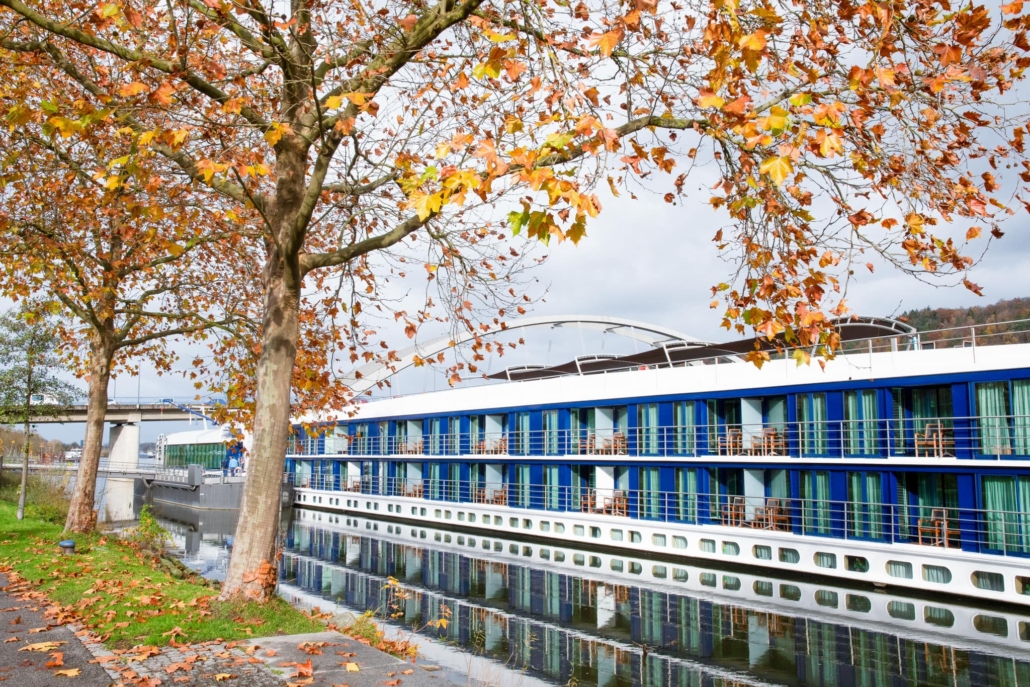
French balcony cabins are popular (floor-to-ceiling glass doors that open for fresh air but no step-out space), while some ships offer small outside balconies. I loved having a French balcony on my Danube cruise—there’s something incredible about opening those doors at sunrise while you’re cruising past Dürnstein.

Pro tip: Pack smart and light. Think Europe in a carry-on vibes. You don’t need five outfit changes per day—most passengers embrace a relaxed, casual-elegant atmosphere.

4. Nearly Everything Is Included (Yes, Really)

This is where river cruising shines and where the sticker price starts to make sense. I work directly with these cruise lines, and I can tell you exactly what’s included because it varies slightly by line—but it’s generally far more comprehensive than ocean cruising.

Most river cruises include:

  • All meals (including excellent wine and beer with lunch and dinner)
  • Daily shore excursions with local guides
  • Wi-Fi
  • Gratuities (on most lines)
  • Sometimes even airport transfers

You’re not pulling out your wallet every time you want a glass of wine or hop off the ship for a tour. The freedom of that? Priceless.

What’s usually NOT included: Premium spirits, spa services, some specialty excursions, and shopping (obviously). But here’s the insider knowledge: I know which lines include what, and I can match you with the one that fits your preferences and budget.

5. The Excursions Aren’t Optional—They’re the Entire Point

Every day, you’ll dock in a new town or city. I’ve taken these excursions myself, and they’re not the massive bus tours with 50 people you might picture. Groups are smaller, guides are knowledgeable locals, and you’re often exploring on foot through cobblestone streets, medieval squares, and local markets.

During my training with AmaWaterways, I learned about their extensive active options—biking tours along the Danube, hiking in the Wachau Valley. Uniworld offers incredible culinary experiences and wine tastings. Each line has its strengths, and knowing those differences is how I match clients with the right cruise.

The reality check: You’ll be walking. A lot. Often on uneven surfaces. I’ve walked the hills of Prague, the cobblestones of Nuremberg, and the narrow streets of French villages. If mobility is a concern for you or someone in your group, I know exactly which itineraries work best and which cruise lines offer the most accessible options—plus I can arrange private tours when needed.

6. Water Levels Can Make or Break Your Itinerary

This is the one thing that stresses people out, but it shouldn’t if you understand it going in. And because I work directly with the cruise lines, I get real-time updates about water level situations and how they’re handling them.

European rivers rise and fall with rainfall and snowmelt. If water levels get too high, the ship can’t fit under bridges. If they get too low, the ship can’t navigate certain stretches. When this happens, cruise lines have backup plans—sometimes you’ll take a bus to the next port, or they might swap in a different ship.

When it happens most: Low water is more common in late summer and early fall. High water tends to happen in spring (June especially) during snowmelt season.

Here’s what the cruise lines have taught me: They’ve been navigating these rivers for decades. They have contingency plans, alternative routes, and backup ships positioned strategically. You’ll still see the destinations—it just might not be exactly as planned. And honestly? Sometimes the alternative experiences end up being just as memorable.

7. Dressing Is Casual (Seriously, Leave the Gowns at Home)

I’ve attended the captain’s dinners, the welcome receptions, and every meal in between. There’s no formal night. No tuxedos. No sequined gowns.

River cruising leans toward “relaxed elegance.” Think nice jeans or slacks with a blouse or button-down for dinner. Maybe a sundress. A blazer if you want to dress it up. Comfortable walking shoes are essential for daytime excursions—I learned that the hard way on my first river cruise.

Some passengers dress up a bit for the captain’s dinner, but we’re talking cocktail attire at most—not black-tie.

8. You’ll Eat Better Than You Expected

I’ve dined on river cruise ships across multiple lines, and I can tell you: the food is shockingly good. We’re talking fresh, regional ingredients, often sourced from the areas you’re cruising through. Menus change to reflect local cuisine as you move through different countries.

On my Rhine cruise, we had authentic German schnitzel in Germany, French pastries in Strasbourg, Dutch cheeses in Amsterdam. The executive chefs on these ships take pride in showcasing regional flavors.

Breakfast and lunch are usually open seating with buffet and made-to-order options. Dinner is typically a multi-course affair with excellent wine pairings included.

Dietary restrictions? I’ve worked with the cruise lines on everything from gluten-free to kosher requirements. They handle these exceptionally well—just let me know in advance so I can coordinate directly with the ship.

9. The Demographic Skews Older (But That’s Changing)

Here’s what might surprise you: river cruising isn’t just for retirees anymore.

Sure, five or ten years ago, the average river cruise passenger was 60+. But what I’m seeing now—both on the ships I’ve sailed and in the bookings I’m making for clients—is dramatically different. River cruising is attracting travelers in their 40s and 50s, active couples looking for cultural immersion without the chaos of a mega-ship, and even families with kids.

The cruise lines have noticed this shift too. They’re responding with ships that feel more contemporary, itineraries that include active excursions (think biking through vineyards and hiking castle trails), and some lines are genuinely welcoming families onboard.

AmaWaterways, for instance, has entire programs designed for families. Their ships have connecting staterooms, and during school holiday periods, they offer family departures with kid-friendly activities and shore excursions. I’ve booked multigenerational families who want to experience Christmas markets together—grandparents, parents, and grandkids all sailing the Danube.

Uniworld skews slightly younger with their boutique, design-forward ships. Their “Generations” family cruises are specifically designed for families traveling together, with activities for different age groups.

Even Viking, traditionally known for an older demographic, is seeing younger travelers who appreciate the no-kids policy for a sophisticated, quiet experience.

If you’re worried about being the youngest person on the ship: Talk to me about which lines and which specific sailings attract the demographic you’re hoping for. Certain itineraries—like active and adventure-themed cruises, wellness sailings, or holiday departures—naturally draw a younger, more diverse crowd. I know which ones they are because I’m booking them and hearing directly from the cruise lines about who’s sailing.

River cruising isn’t your grandparents’ vacation anymore. Though honestly? Your grandparents probably have great taste.

10. Europe Is the Main Stage (But Not the Only One)

When most people think river cruising, they think Europe—the Danube, Rhine, Seine, Douro. And yes, that’s where I’ve spent most of my time on the rivers, and for good reason. The infrastructure, the history, the scenery… it’s unmatched.

But through my relationships with cruise lines like AmaWaterways, Uniworld, and Viking, I also book:

  • Southeast Asia (Mekong River through Vietnam and Cambodia)
  • Egypt (The Nile—iconic and bucket-list worthy)
  • Africa (Chobe River for wildlife)
  • South America (Amazon River)
  • United States (Mississippi, Columbia, Snake Rivers)

Each destination offers a completely different flavor of river cruising. If European villages aren’t calling your name, I know the other incredible options inside and out.

11. Booking Early Matters More Than You Think

River cruise ships are small, remember? That means limited cabin inventory. I watch popular itineraries sell out 9-12 months in advance—Christmas markets, tulip season in Holland, Danube during fall foliage.

Plus, because I work directly with the cruise lines, I have access to early booking promotions and wave season deals that can save you hundreds to thousands of dollars per person. Sometimes I even get access to amenities or upgrades that aren’t publicly advertised.

The sweet spot: Book 9-12 months out for the best selection and pricing. Last-minute deals exist, but you’re at the mercy of whatever’s left—and honestly, I see those far less frequently in river cruising than in ocean cruising.

12. You Don’t Have to Figure This Out Alone

Here’s the truth: river cruising has a lot of moving pieces. Which river? Which cruise line? What time of year? Which cabin category? Pre- or post-cruise extensions?

You could spend hours researching online, comparing itineraries, reading reviews, and second-guessing yourself. Or you could work with someone who has direct relationships with these cruise lines, who’s attended their training programs, who’s sailed these rivers, and who knows exactly which questions to ask to match you with the perfect cruise.

I’ve been working with river cruise lines since 2019. I get on the phone with their BDMs (business development managers). I attend their FAM trips and virtual training sessions. I know the differences between a standard cabin on Viking versus AmaWaterways versus Uniworld—not because I read it online, but because I’ve been in those cabins.

There’s something special about helping someone experience Europe from the water for the first time—or finding that hidden gem itinerary that’s perfect for a seasoned traveler looking for something new.

So, Is River Cruising Right for You?

If you love the idea of waking up in a new European town every day without the hassle of packing and unpacking…

If you prefer smaller ships where you’re a person, not a number…

If you want to sip wine while medieval castles drift by your window…

If you’re looking for a travel experience that’s more cultural immersion and less “entertainment cruise”…

Then yes. River cruising might just be your perfect vacation.

Ready to Explore Your Options?

I’d love to help you plan your first river cruise (or your next one). Whether you’re dreaming of Christmas markets on the Danube, vineyards along the Rhine, or something completely different, let’s chat about what would make your trip unforgettable.

Want to start planning on your own timeline? Download my free River Cruising Planning Guide—it’s packed with everything you need to know about choosing the right river, the best time to go, what to pack, and questions to ask before you book. Plus, when you download it, you’ll join my email list where I share insider tips, exclusive cruise deals, and the kind of practical advice that only comes from actually being on these ships.

Contact me today to start planning your river cruise adventure. I’ll tap into my relationships with the cruise lines to find you the perfect sailing, the best cabin, and often, perks you won’t find booking on your own.

Here’s something most people don’t realize until it’s too late: the size of your Alaska cruise ship doesn’t just affect how many people are onboard—it fundamentally changes what you’ll see, how you’ll experience it, and whether you’ll come home with those jaw-dropping moments you’re dreaming about.

I’ve been helping travelers navigate this decision for years now, and I can’t tell you how many times someone has said, “I wish I’d understood this before I booked.” So let’s talk about what the brochures don’t tell you.

Why Ship Size Actually Matters in Alaska (Unlike Anywhere Else)

You know how cruise ship size doesn’t make a huge difference in the Caribbean? Alaska is the complete opposite.

The dramatic landscapes, narrow fjords, wildlife encounters, and glacial waterways were made for intimate exploration—not 3,000-passenger floating resorts. Don’t get me wrong, large ships have their place, but the experience gap between small and large in Alaska is massive.

Here’s the real difference: access.

Small ships (under 250 passengers) can navigate places that large ships simply cannot reach. We’re talking about pristine fjords where humpback whales feed undisturbed, remote glacier faces without another vessel in sight, and tiny ports that feel like you’ve discovered Alaska’s best-kept secrets.

What You Actually Experience on a Large Ship (1,500+ Passengers)

Let’s start with the big ships because they’re what most people picture when they think “cruise.”

The Reality:

The Crowds: When your ship pulls into Juneau or Ketchikan, you’re disembarking with 2,000-4,000 other people (often multiple large ships dock simultaneously). The quaint downtown shops? Packed. That salmon bake everyone recommended? There’s a line. Shore excursions feel like organized tours rather than exploration.

The Viewing Experience: Picture this: you’re in Tracy Arm Fjord approaching Sawyer Glacier. It’s spectacular. You’re also sharing the outer decks with hundreds of other passengers, jockeying for position at the rail. Got kids? Good luck keeping them in one spot for photos. Feeling spontaneous about running to the other side when someone spots a whale? You’ll be navigating a crowd.

The Ports: Large ships stick to the “big three” ports—Juneau, Ketchikan, and Skagway—because they’re the only ones that can handle the vessel size and passenger volume. You’ll see Alaska’s greatest hits, but so will everyone else.

What Large Ships Do Well:

I’m not here to trash large ships—they have real advantages:

  • Amenities galore: Multiple restaurants, pools, shows, kids’ clubs, spas, and entertainment
  • Stability: Less motion in rough seas (matters if you’re prone to seasickness)
  • Pricing: Often more budget-friendly, with frequent deals and promotions
  • Family appeal: The Busy Parents and Multi-Gen families love the activities and childcare options
  • Predictability: You know what you’re getting with major cruise lines

Bottom line: Large ships work beautifully if you want a cruise vacation that happens to be in Alaska—where the ship itself is part of the destination and Alaska is the stunning backdrop.

What You Actually Experience on a Small Ship (Under 250 Passengers)

Now let’s talk about what changes when you scale down.

The Reality:

Exclusive Access: Small ships navigate narrow waterways that large vessels can’t touch. You’ll cruise through Misty Fjords, get up close to tidewater glaciers in secluded bays, and visit remote Native communities where tourism hasn’t become industrialized. These aren’t “alternative” experiences—they’re often the best experiences.

Wildlife Encounters: When a naturalist spots a pod of orcas, the captain can reposition the ship for optimal viewing. With 100 passengers instead of 2,000, everyone gets a front-row seat. I’ve had clients tell me about watching brown bears fish for salmon from so close they could see their breath in the cold air—with maybe 30 other people total sharing the moment.

The Intimacy Factor: You’ll know your fellow passengers by name within two days. The crew remembers your coffee order. There’s no fighting for deck space or rushing to dinner reservations. It feels less like a cruise and more like an expedition with like-minded travelers.

Expertise Onboard: Small expedition ships typically carry naturalists, marine biologists, and local historians who give presentations and join you on deck. You’re not just seeing Alaska—you’re understanding it.

The Trade-offs:

Here’s what you give up:

  • Limited amenities: One dining room (though the food is often exceptional). No Broadway shows or casinos.
  • Higher price point: Small ship cruising is premium, often significantly more expensive per day
  • More motion: Smaller vessels feel the waves more (though stabilizers help)
  • Less choice: Fewer departure dates and itineraries to choose from

Bottom line: Small ships deliver an Alaska adventure that happens to be on a ship—where the destination is everything and the vessel is your comfortable base camp for exploration.

The Honest Comparison: What Actually Matters

Let me break down the key decision factors:

Experience Factor

Large Ship

Small Ship

Glacier Viewing

Spectacular, but shared with crowds

Intimate, often closer access, fewer people

Wildlife Encounters

From a distance, scheduled viewing times

Up close, flexible positioning, expert narration

Port Access

Major ports only (crowded)

Major + remote ports (authentic)

Onboard Vibe

Resort vacation, entertainment-focused

Expedition atmosphere, education-focused

Time in Nature

Scenic sailing with port-heavy itinerary

Maximum time in wilderness areas

Who You’ll Meet

All ages, varied interests

Typically older, adventure-minded travelers

Personalization

You’re a passenger number

You’re a known guest

So Which Should You Actually Choose?

Here’s the truth nobody wants to say: there’s no universally “better” option—only what’s better for you.

Choose a Large Ship If:

  • You want classic cruise amenities (shows, multiple dining options, pools)
  • You’re traveling with kids or a multi-generational family
  • Budget is a primary concern
  • You prefer the energy of a bustling ship
  • Alaska is one highlight among many vacation elements you value
  • You get seasick easily

Choose a Small Ship If:

  • Alaska’s wilderness is your primary draw
  • You want access to places large ships can’t reach
  • You value intimate wildlife encounters over entertainment
  • You prefer smaller crowds and personalized service
  • You’re comfortable with a higher price point for exclusive experiences
  • You want educational enrichment from onboard experts

The Question Nobody Asks (But Should)

Here’s what I always ask my clients: What’s the ONE experience you’d be devastated to miss in Alaska?

If it’s seeing glaciers calve into the sea with whales breaching nearby in complete wilderness silence—that’s small ship territory.

If it’s enjoying Alaska’s scenery while your kids are happily occupied in the kids’ club and you’re relaxing by the pool with a cocktail—that’s where large ships excel.

Neither answer is wrong. But knowing your answer makes the choice crystal clear.

Ready to Find Your Perfect Alaska Cruise?

Here’s the thing: Alaska cruise planning goes way beyond ship size. There’s timing (shoulder season vs. peak summer), itinerary routing (Inside Passage vs. Gulf of Alaska), pre- and post-cruise options (Denali, anyone?), and excursion selections that can make or break your trip.

That’s where I come in.

Want my insider Alaska cruise planning guide? Subscribe to my newsletter and I’ll send you my free guide with everything you need to know—including the questions to ask before booking, the excursions actually worth your money, and the timing tips that could save you thousands.

Or let’s just talk. I’ve been booking Alaska cruises since 2019, and I can match you to the exact ship, itinerary, and experience that fits your travel style and budget. No pressure, no sales pitch—just honest guidance from someone who genuinely loves helping people discover Alaska the right way.

Because here’s what I know for certain: Alaska is the trip of a lifetime. And lifetime trips deserve to be done right.